

The Fatal Detour
Gold Rush Bars and Brothels
6
They did not set out to find Death Valley.
They set out for gold.
They carried with them the same fever that pulled men across oceans and over mountains—the promise first whispered at Sutter’s Mill and shouted down every muddy street from Missouri to Panama. Gold lay in California, they were told. Easy gold. River gold. The kind you could coax from the earth with a pan, a little patience, and a great deal of belief.
But belief, like water, can run out.
🧭 The Shortcut
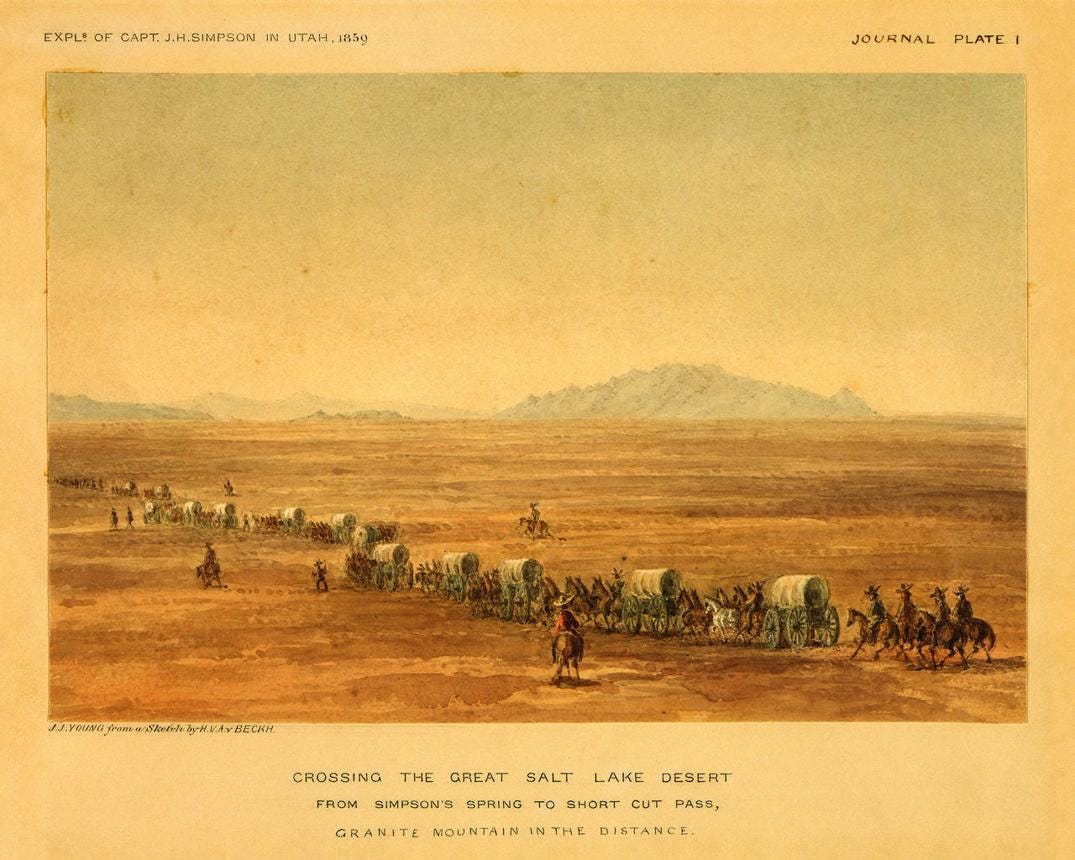
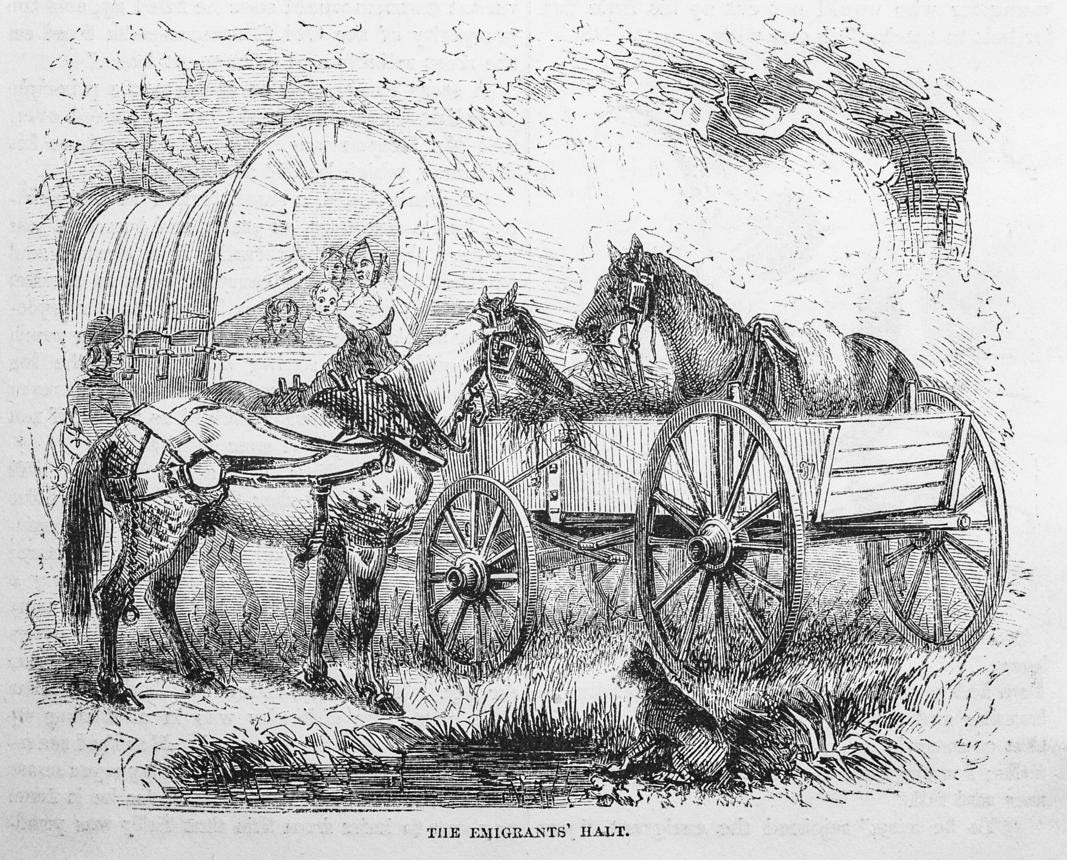
In 1849, a wagon company broke from the established trail.
They were not reckless, at least not by their own estimation. They were efficient. Strategic. They had maps—of a sort. They had rumors, which in that season passed for intelligence. A “shortcut” would save time, spare animals, beat the rush. It would deliver them to the goldfields ahead of the swarm.
It delivered them instead into absence.
They would later be called the Lost ‘49ers—a name that sounds almost jaunty until you realize it is less a title than a verdict.
🏜️ The Valley That Wasn’t a Valley
5
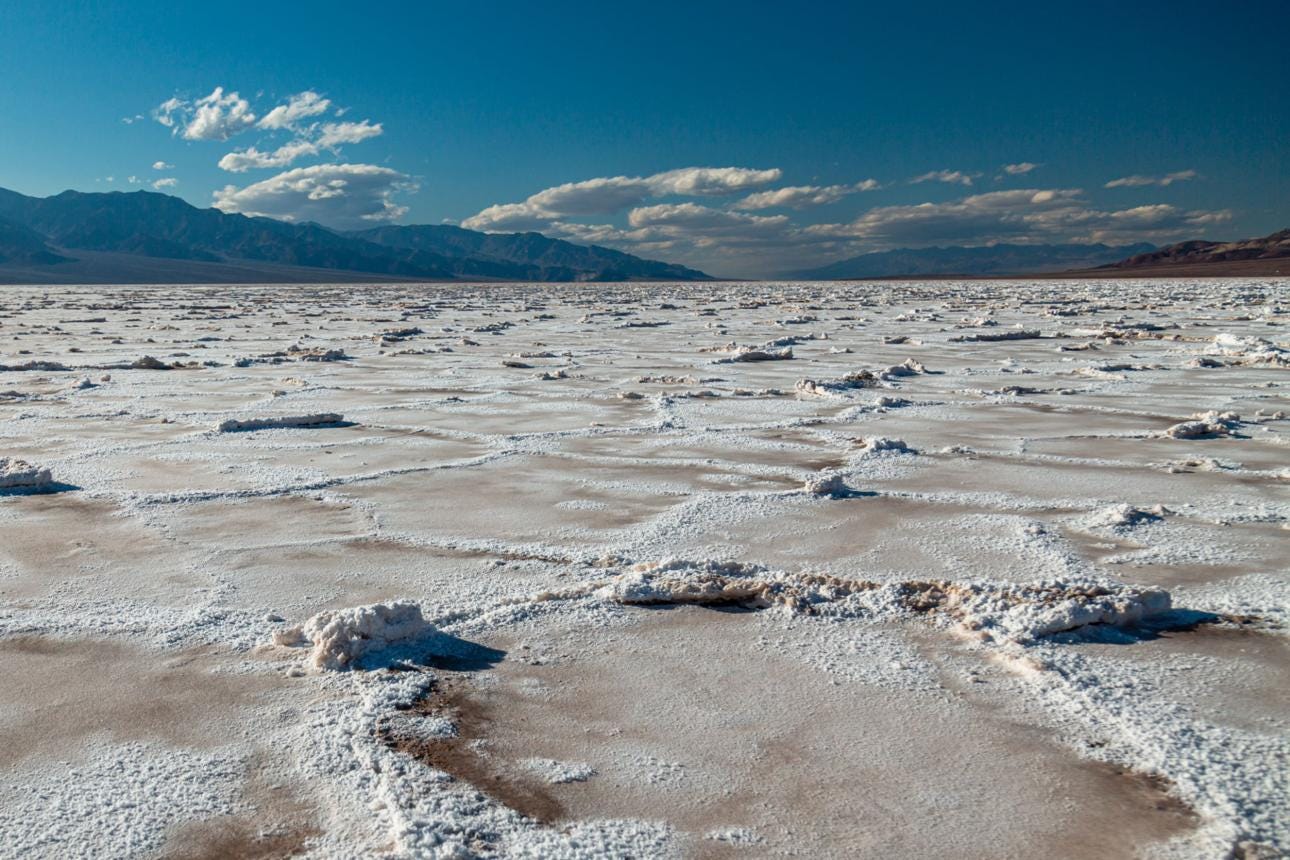
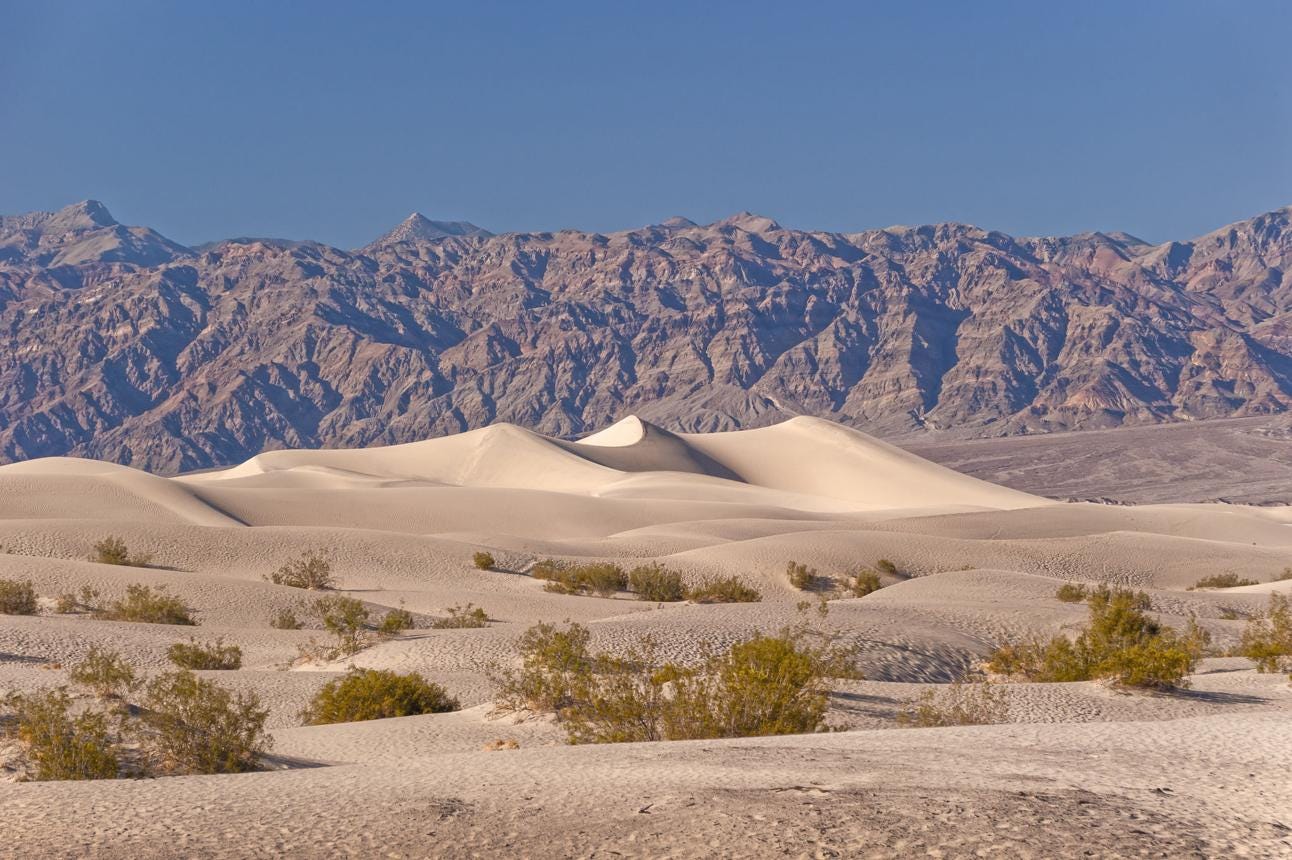
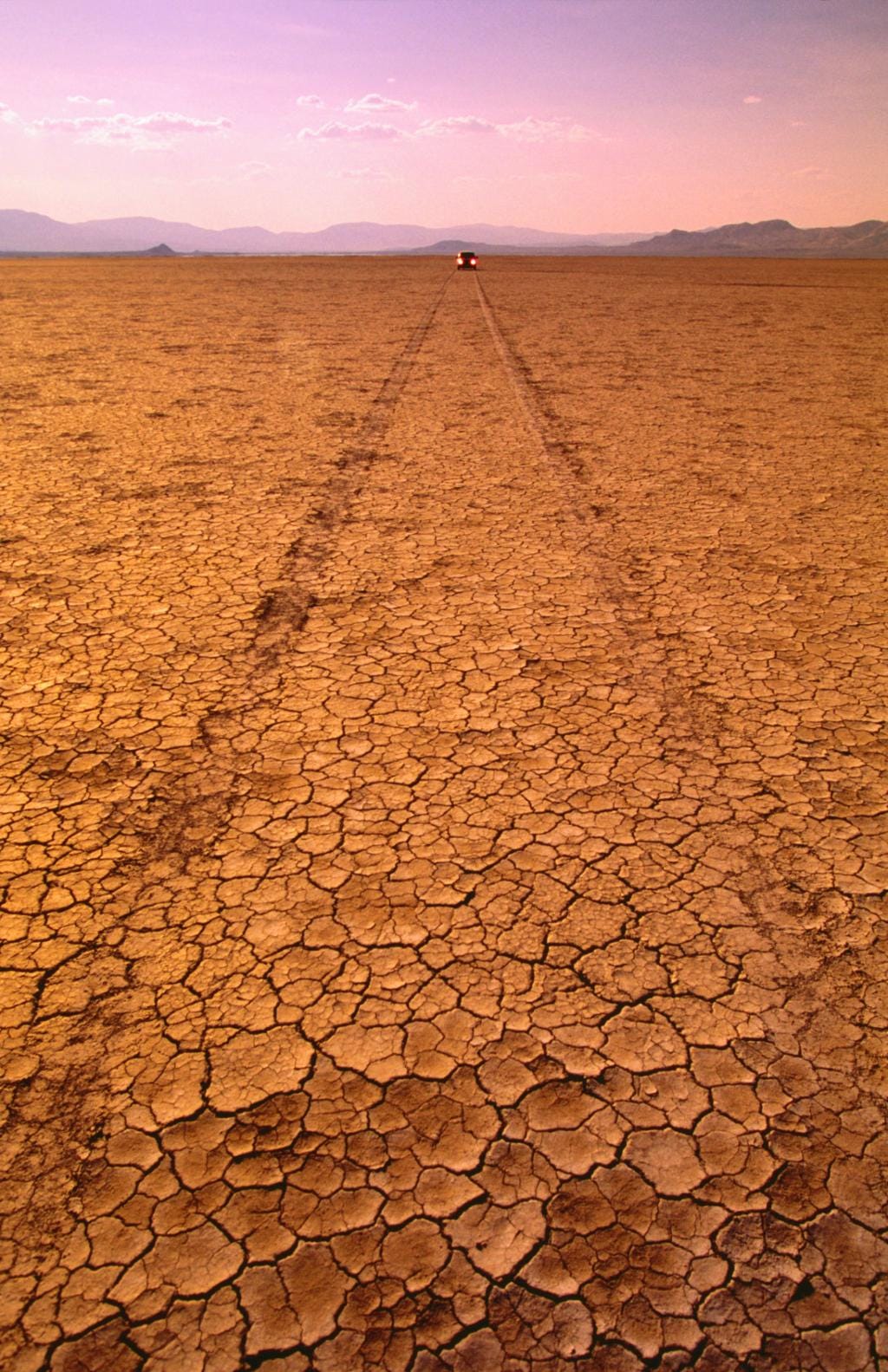
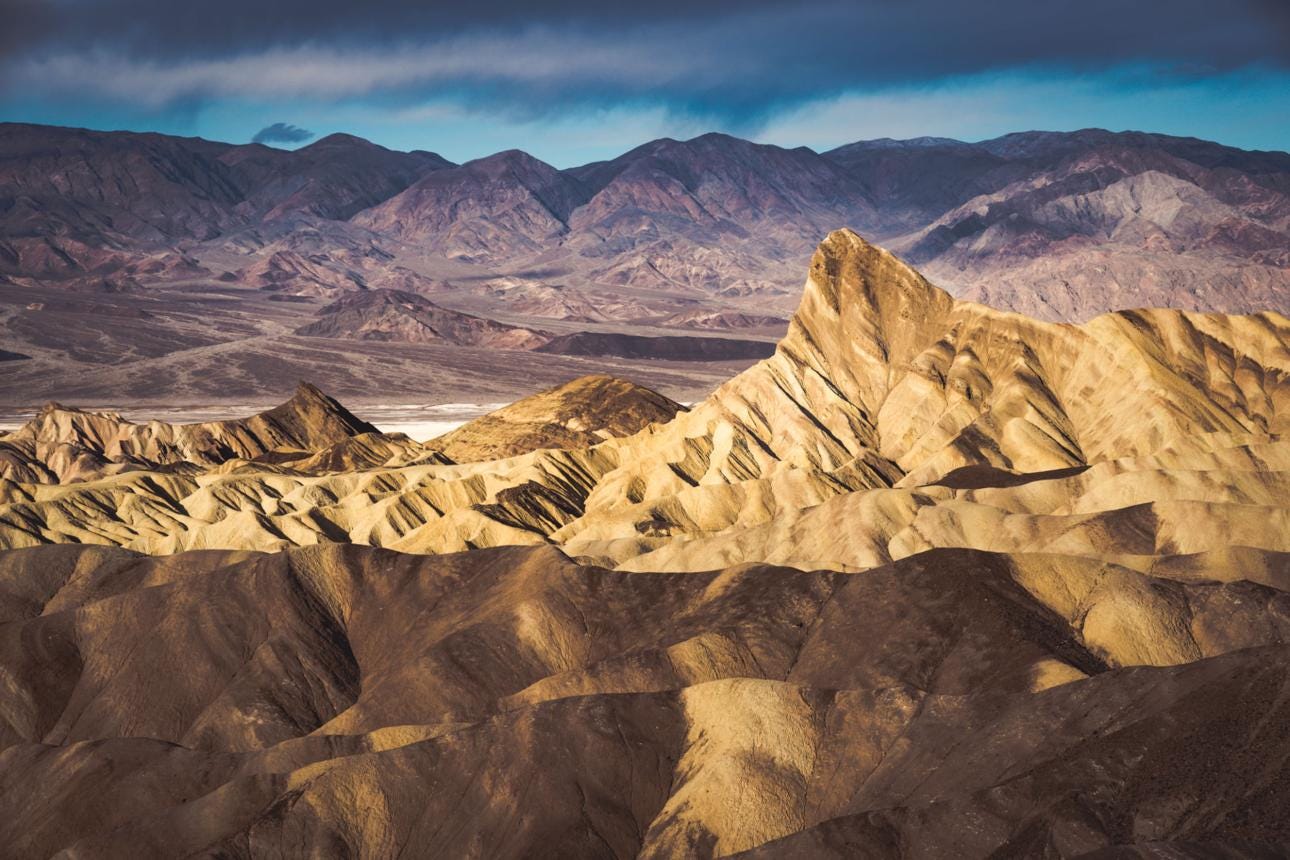
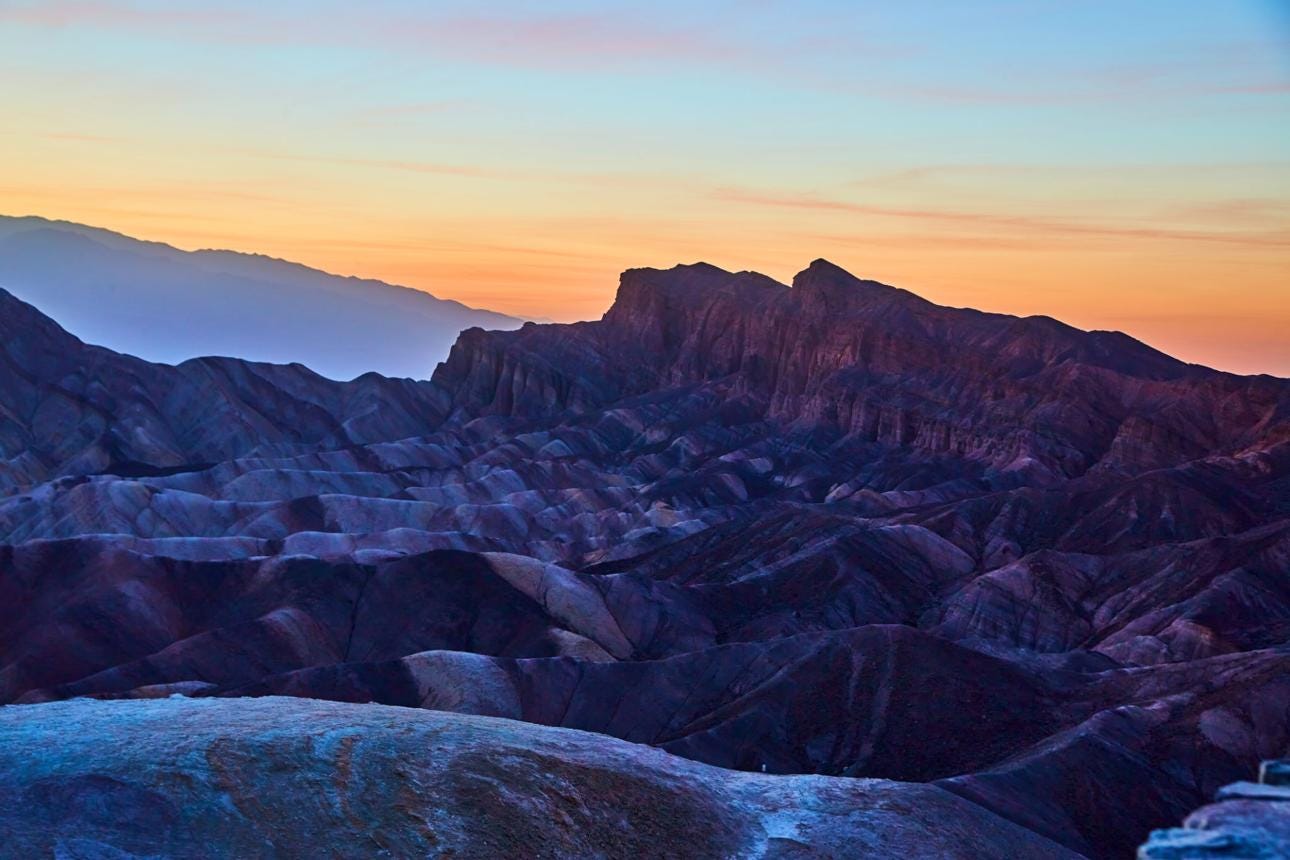
What they encountered was not a valley in any familiar sense.
No rivers to pan.
No timber to build.
No shade to bargain with.
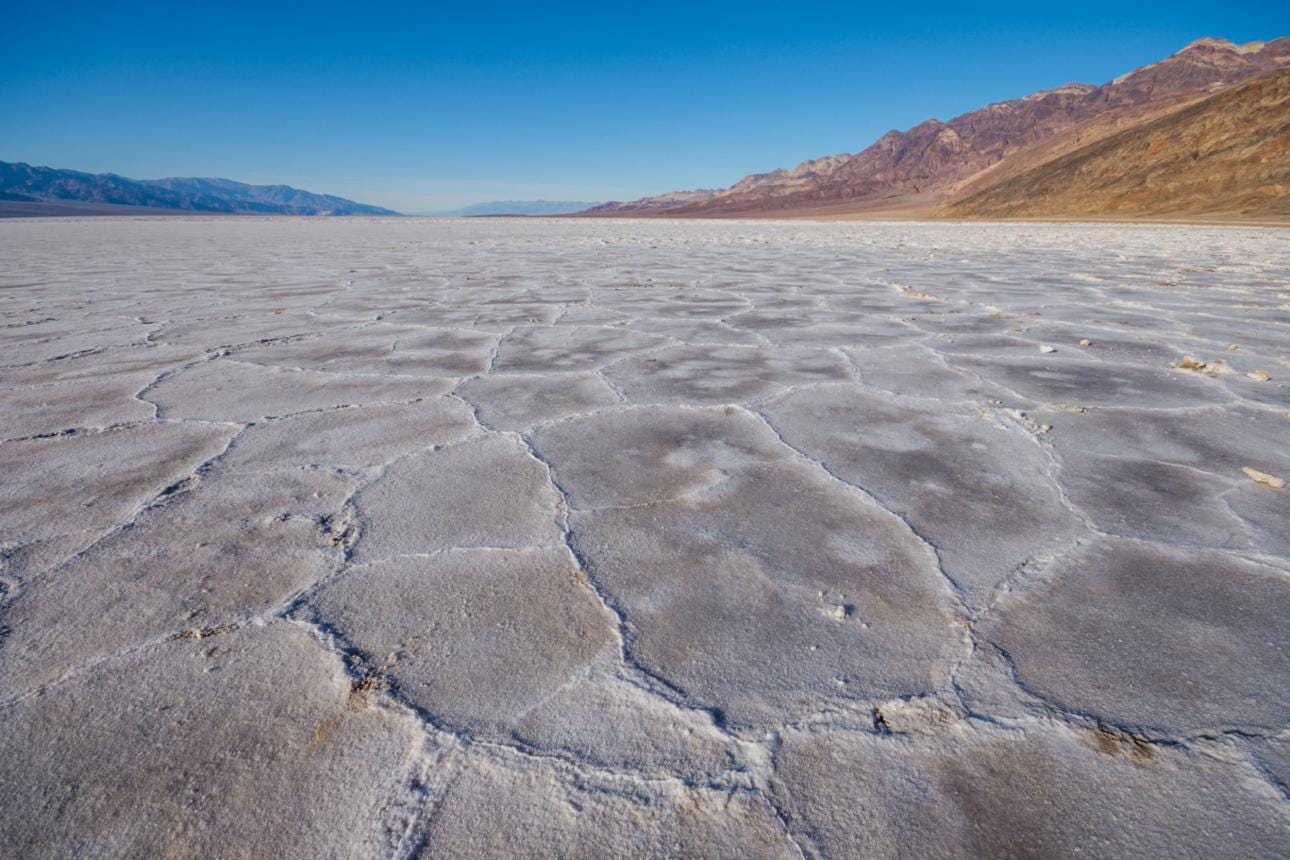
Only a basin of salt and heat, a place that seemed less formed than withheld.
In the Sierra, a man might dig.
In the rivers, he might sift.
Here, there was nothing to do but endure.
The logic of the Gold Rush collapsed instantly:
No water → no placer mining
No placer → no quick wealth
No wealth → no reason to stay
And yet they could not leave. Not quickly. Not cleanly.
🔥 Consumption
The first currency to fail was not gold. It was time.
Food dwindled.
Animals weakened.
Tools—those proud instruments of extraction—became irrelevant.
Wagons, once symbols of forward motion, became burdens. Then resources.
Wood was stripped from them for fire. Iron fittings pried loose. Canvas repurposed. The architecture of migration dismantled itself plank by plank in the name of survival.
What could not be carried was burned.
🪙 The Gold Beneath Their Feet
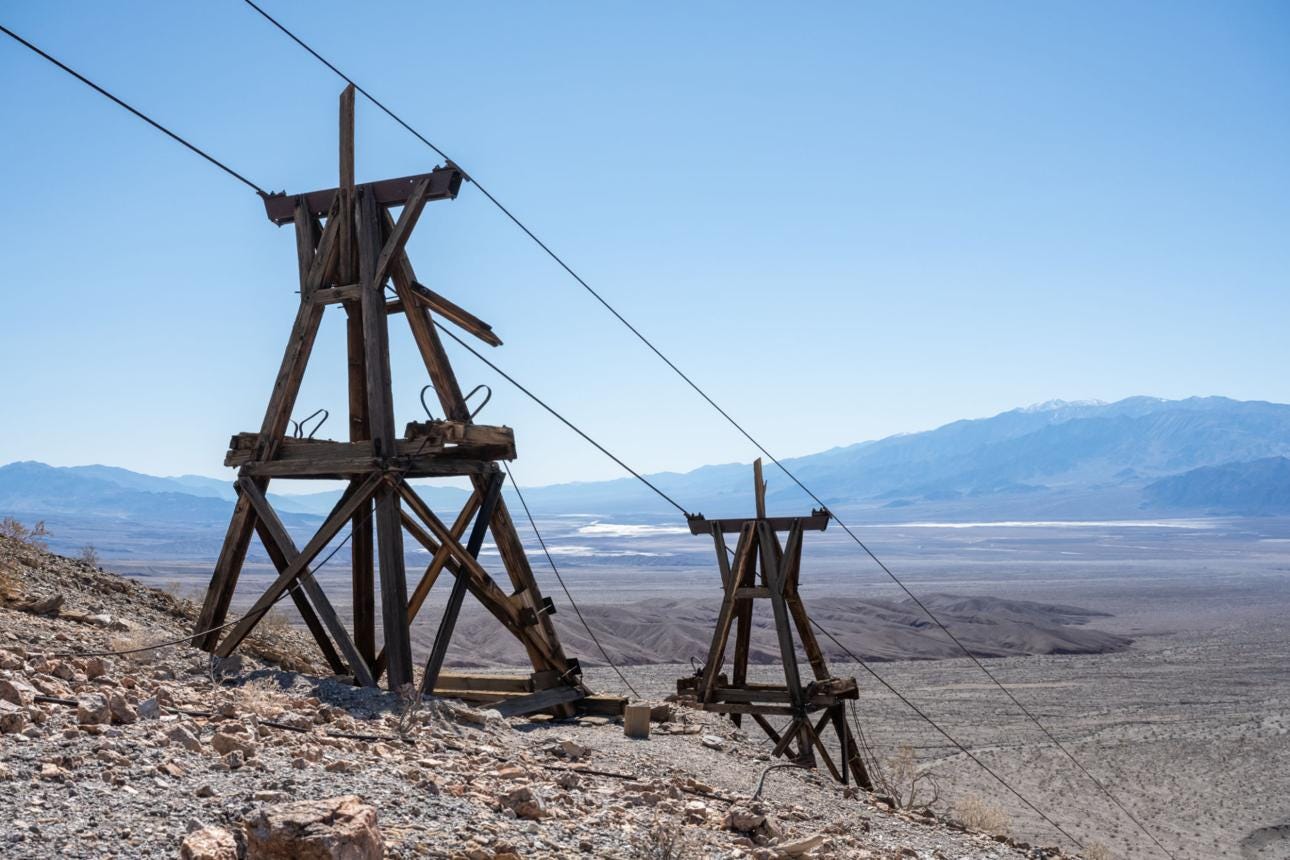
6
And yet—this is the quietest cruelty of all—they were not wrong about the gold.
They walked over it.
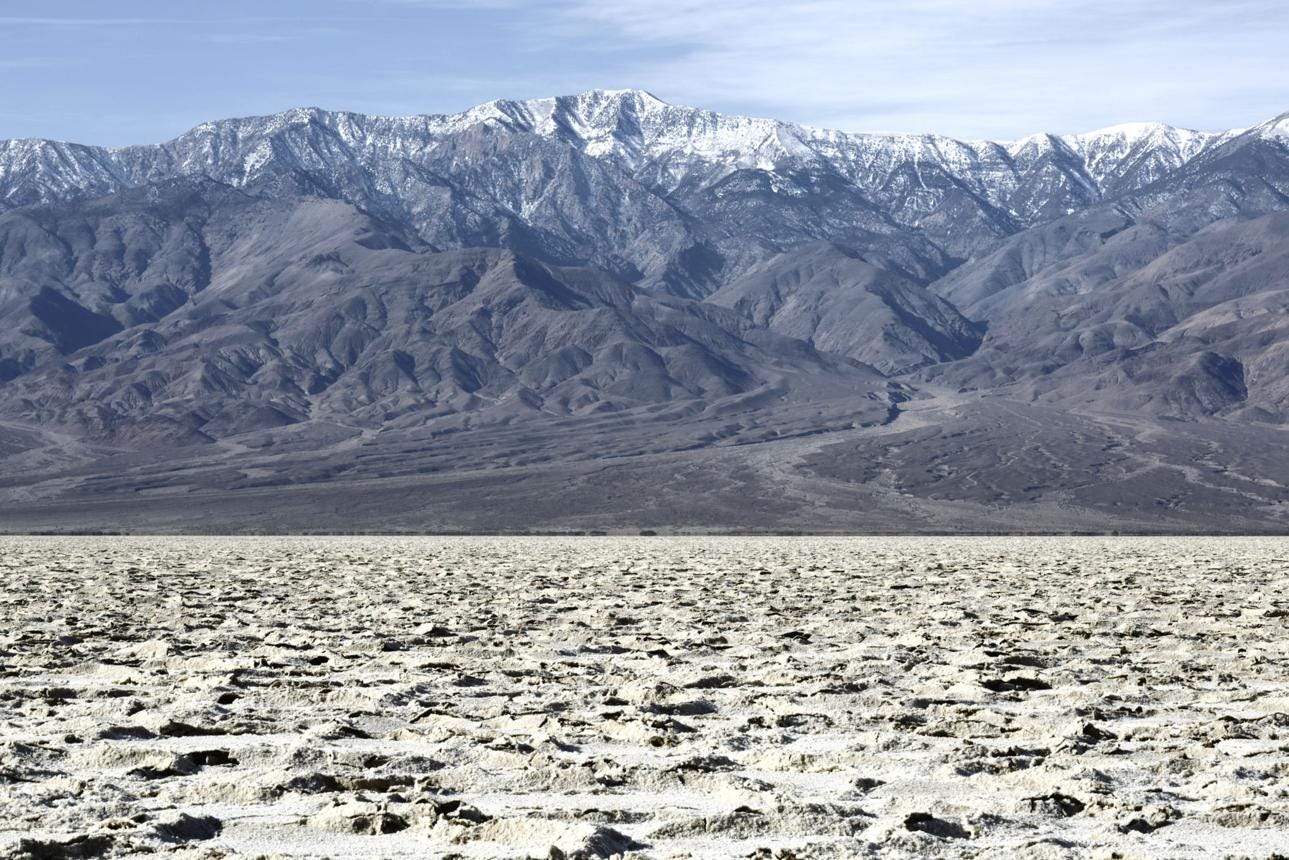
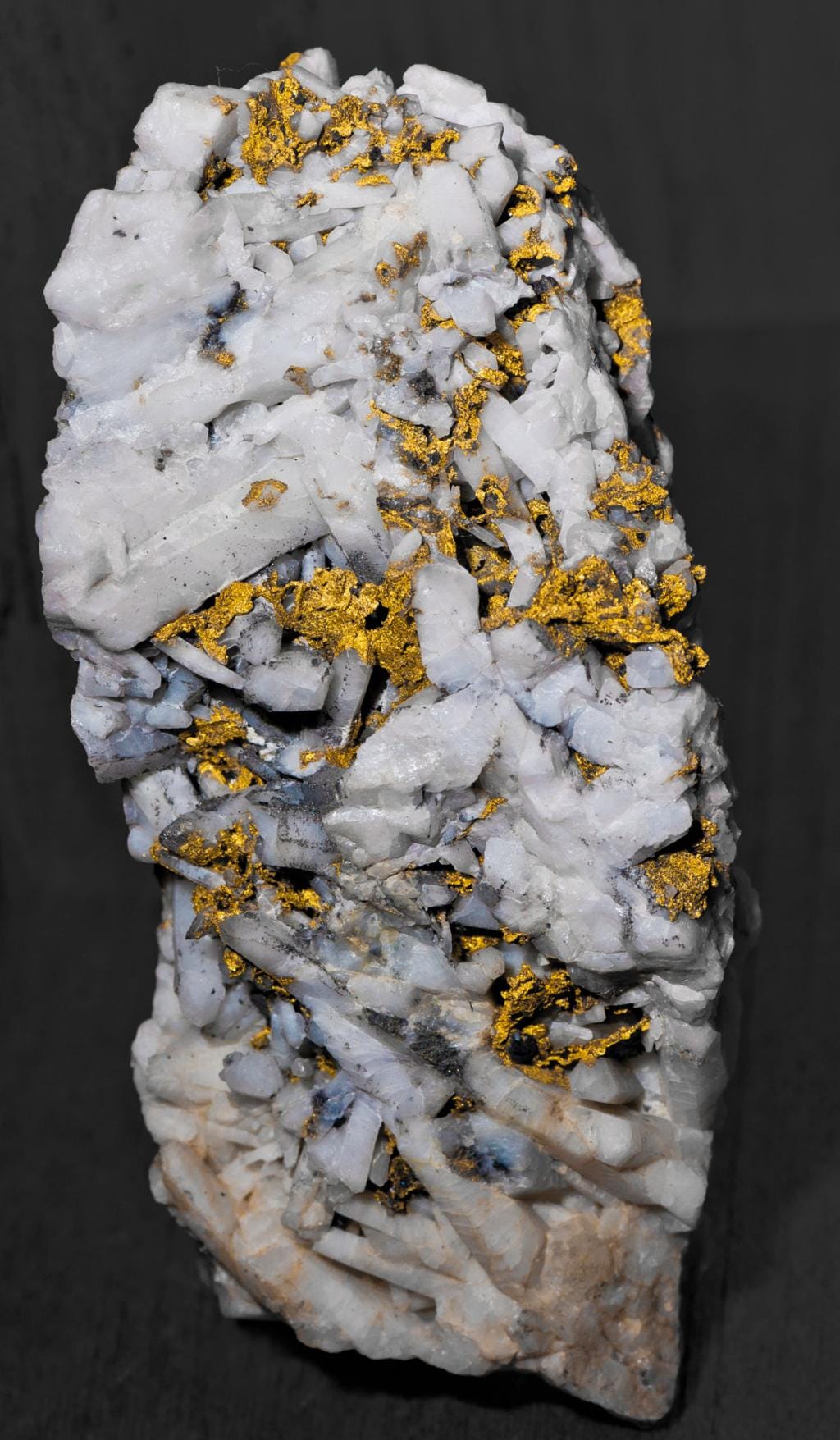
Not in rivers. Not in glittering seams at their feet. But locked inside the mountains that hemmed them in, threaded through quartz, buried in rock that would not yield to a pan or a hopeful swirl of water.
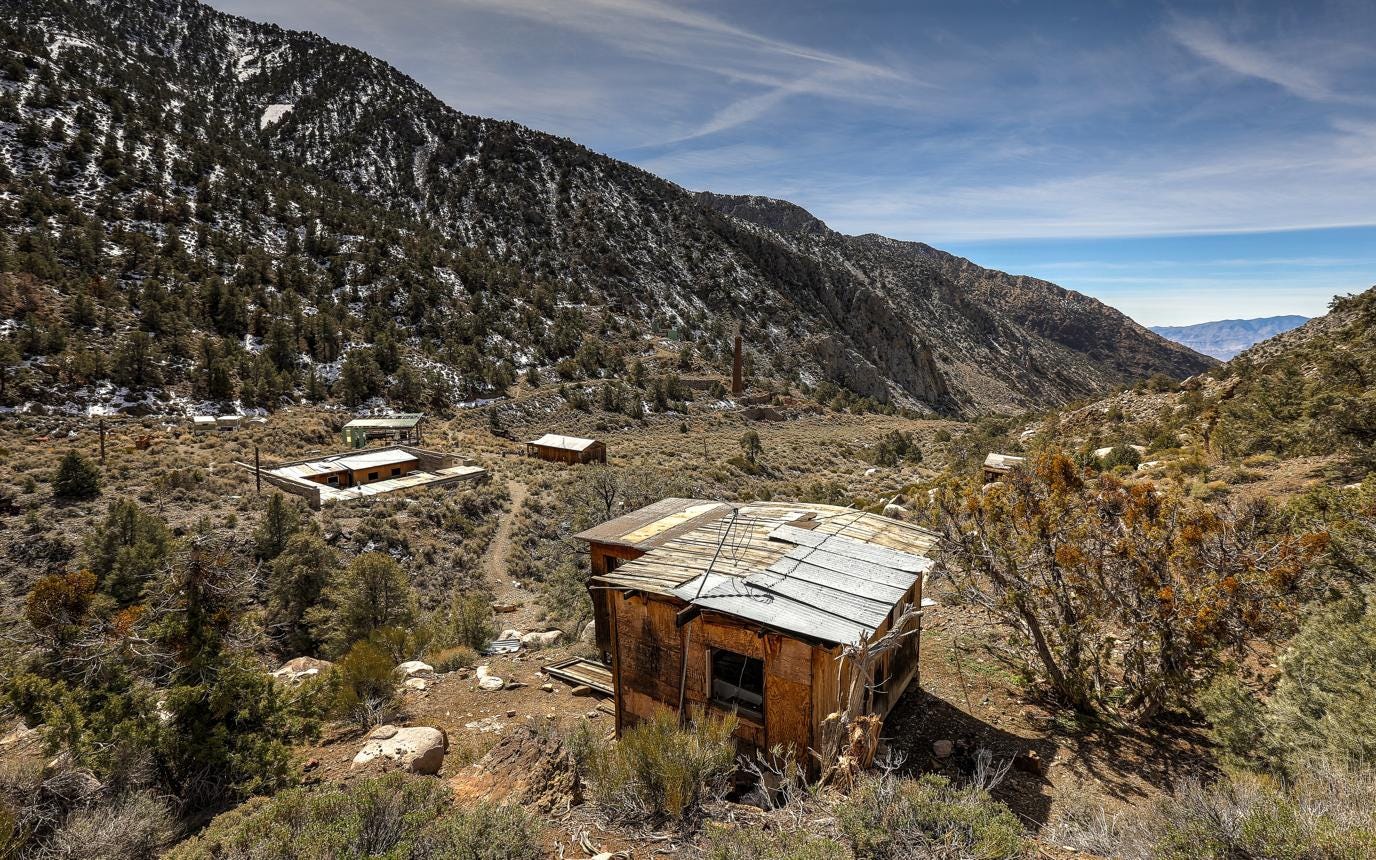
Decades later, men would return to this same region and carve into those mountains—at places like the Keane Wonder Mine—pulling out gold with drills, mills, and chemicals the Lost ’49ers could not have imagined.
The wealth was there.
But it required:
Time they did not have
Tools they did not carry
Knowledge that had not yet arrived
It is one thing to miss gold.
It is another to stand upon it, starving.
🧂 The Other Gold
5
And yet the desert held another kind of wealth entirely.
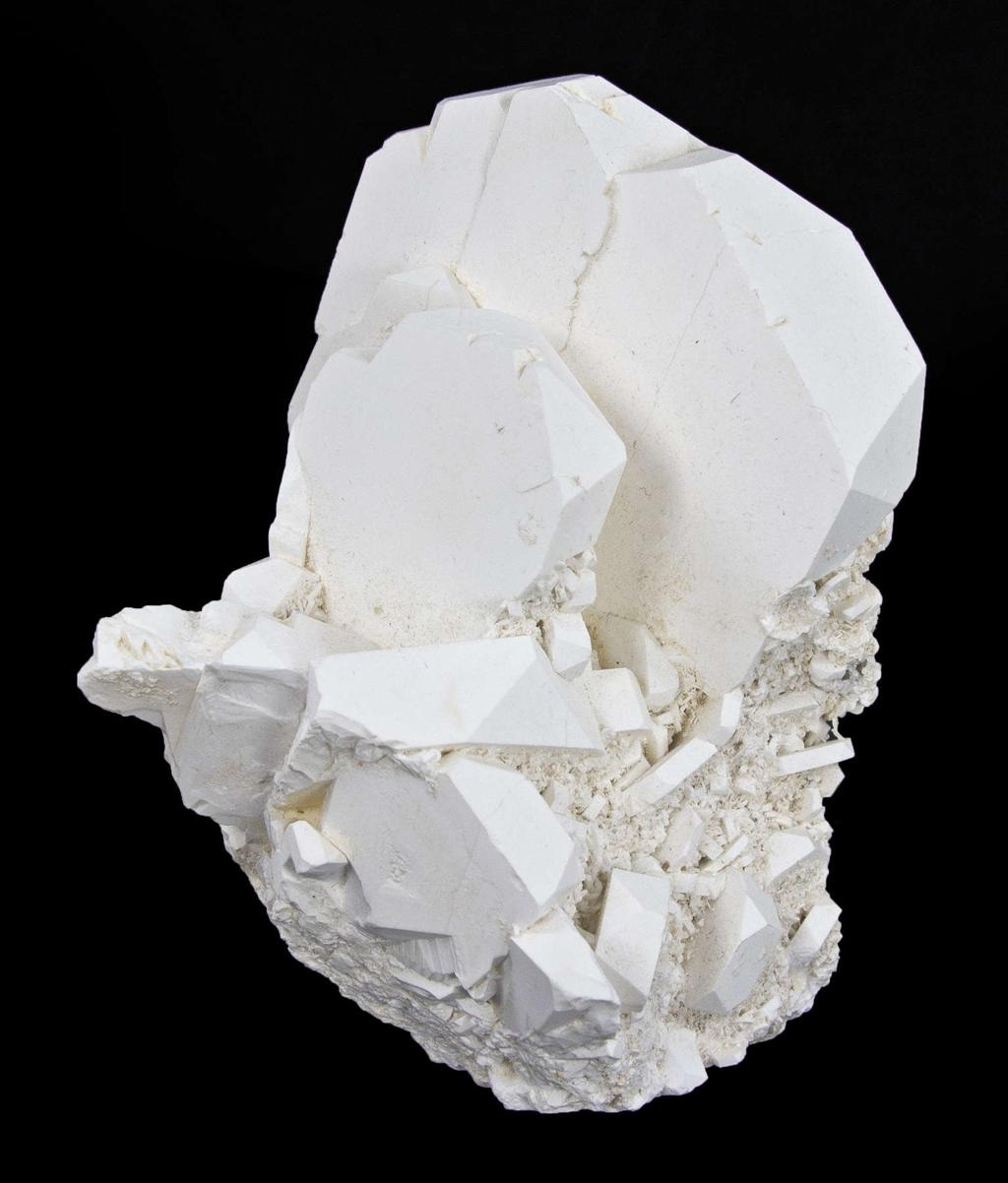
Not the glittering metal they sought, but something pale, powdery, and stubbornly useful: borax.
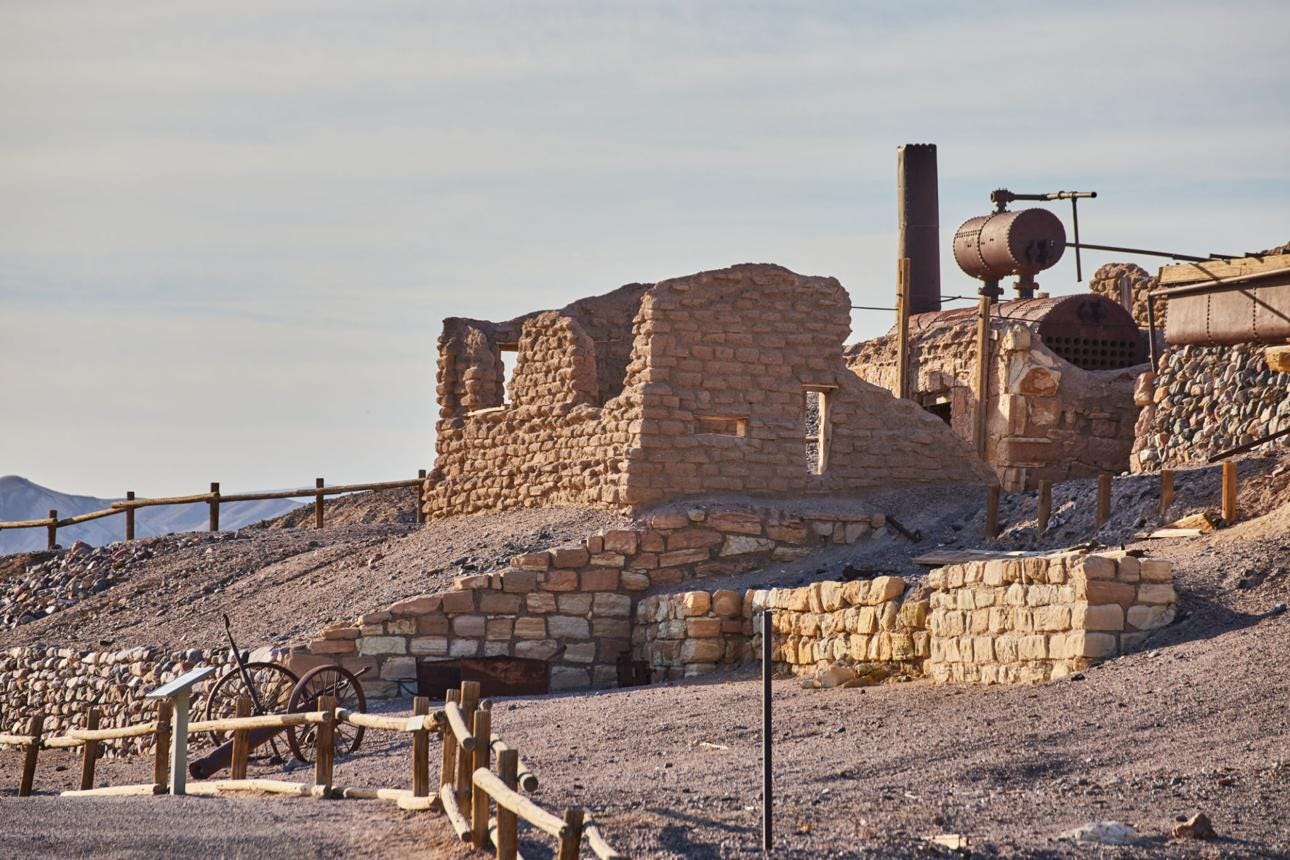
At sites like the later Harmony Borax Works, this mineral would be refined and hauled out across the desert by the famed 20-mule team borax wagons.
They called it “white gold.”
It did not intoxicate. It did not inspire madness. It did not build instant towns of canvas and vice.
But it endured.
Beneath the feet of the Lost ’49ers lay not one, but two kinds of wealth:
Gold locked in stone
Borax spread across the basin
One demanded faith.
The other demanded patience.
Neither could save them.
🍷 The Absent Saloon
In every other mining landscape—from the foothills near Coloma to the fevered camps that would later rise in the Panamints—there is a pattern:
Where gold appears,
a bar follows.
Where a bar appears,
a brothel is never far behind.
But here, in this accidental geography, there was nothing to spend.
No whiskey.
No faro tables.
No velvet curtains or backroom arrangements.
Only thirst.
🧭 Fracture
Groups split. They had to.
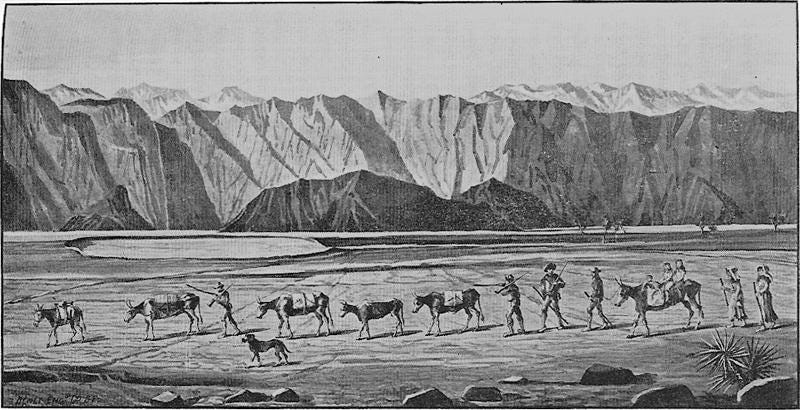
Some stayed with the wagons. Others struck out on foot, climbing the surrounding mountains in search of an exit that refused to reveal itself. Families divided, not out of conflict, but calculation.
The landscape encouraged fragmentation. There was no single path forward—only directions that might, or might not, end in water.
🪶 Naming the Place
5
A small number survived.
They found their way out—over the mountains, toward settlements that must have seemed impossibly lush by comparison.
One woman, pausing at the edge of escape, is said to have turned back and spoken the name:
“Goodbye, Death Valley.”
🧠 The Lesson the Desert Taught
The story of the Lost ’49ers is often told as a cautionary tale.
But it is more than that.
It is a confrontation between two economies:
The Gold Rush economy: extraction, speculation, indulgence
The desert economy: scarcity, endurance, and, eventually, industry
Gold demanded belief.
Borax demanded patience.
And the desert demanded everything.
🎭 The Inversion
Everywhere else in your story, the narrative is additive:
Gold → Money → Bars → Brothels → Society
Here, the sequence fractures—and reforms:
Hope → Loss → Silence → (years later) Industry
No gold in the pan.
No money in the pocket.
No bar to celebrate in.
No brothel to forget in.
Only the knowledge—arriving too late—that the wealth they sought had been there all along.
🪶 Closing Line
They went looking for a place where the earth would give them gold.
Instead, they found a place that kept its riches hidden—
and made them pay for the difference.
From my upcoming work: Gold Rush Bars and Brothels
Where fortune, vice, and landscape collide.
🥃 Buy the next round:
☕ Keep the Story Going
If you’ve made it this far, you’re already in the saloon—
leaning on the bar, listening a little closer than most.
These stories aren’t polished myths.
They’re the grit, the gamble, the lives lived just off the official record.
Whiskey wasn’t free. Neither is history. Click on the stamp below…

Or pull up a chair as a paid subscriber—
there’s always more behind the next door.
⛏️