

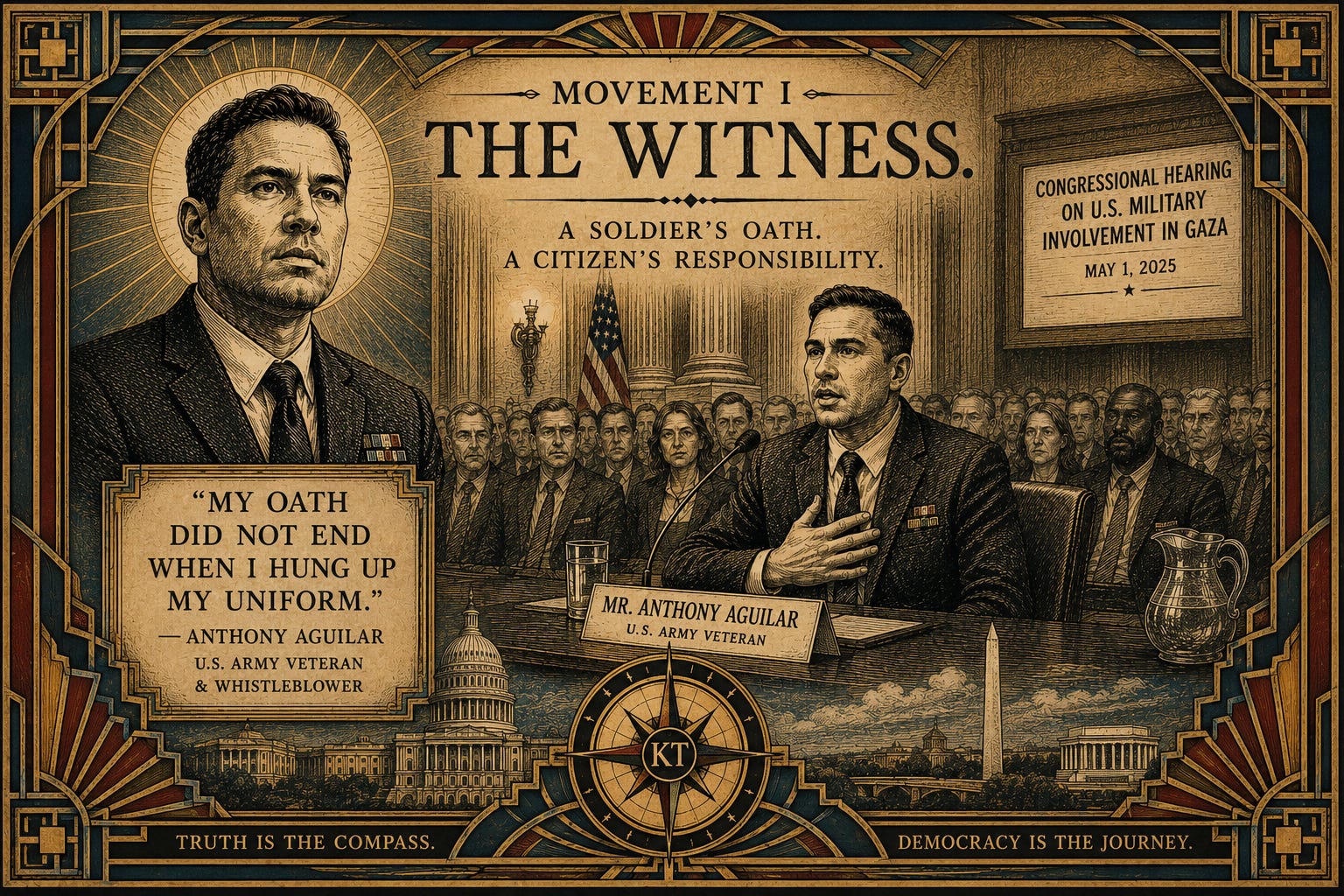
A Soldier Steps Forward
The most haunting words I heard this week did not come from a politician.
They did not come from a pundit.
They did not come from a protester.
They came from a retired United States Army lieutenant colonel.
A Green Beret.
A recipient of the Purple Heart.
A man who spent twenty-five years serving his country.
Appearing on Democracy Now!, Anthony Aguilar described what he says he witnessed while working as a security contractor connected to aid operations in Gaza.
His testimony was not cautious.
It was not bureaucratic.
It was not wrapped in diplomatic language.
It was a moral alarm bell.
Drawing on his experience at aid distribution sites, Aguilar described what he says were profound failures in the humanitarian operation. He alleged that civilians were being placed in danger, questioned the design and operation of the distribution sites, and argued that the existing aid system was incapable of meeting the needs of Gaza’s population. He called for independent investigations and for humanitarian aid to return to a broader international framework.
Whether every allegation he raises is ultimately confirmed or disputed, his testimony deserves to be heard, examined, and investigated.
He reminded viewers that he had sworn an oath, not to a president, not to a political party, not to a paycheck, but to the Constitution of the United States.
He said that oath did not end when he took off the uniform.
Then he looked directly into the camera and said something I have not been able to forget.
“Shame on you.”
Not shame on Democrats.
Not shame on Republicans.
Not shame on Israel.
Not shame on Hamas.
He said we, as Americans, should be asking difficult questions about what is being done in our name.
His words stayed with me long after the interview ended.
Not because they answered every question.
Because they demanded that we ask them.
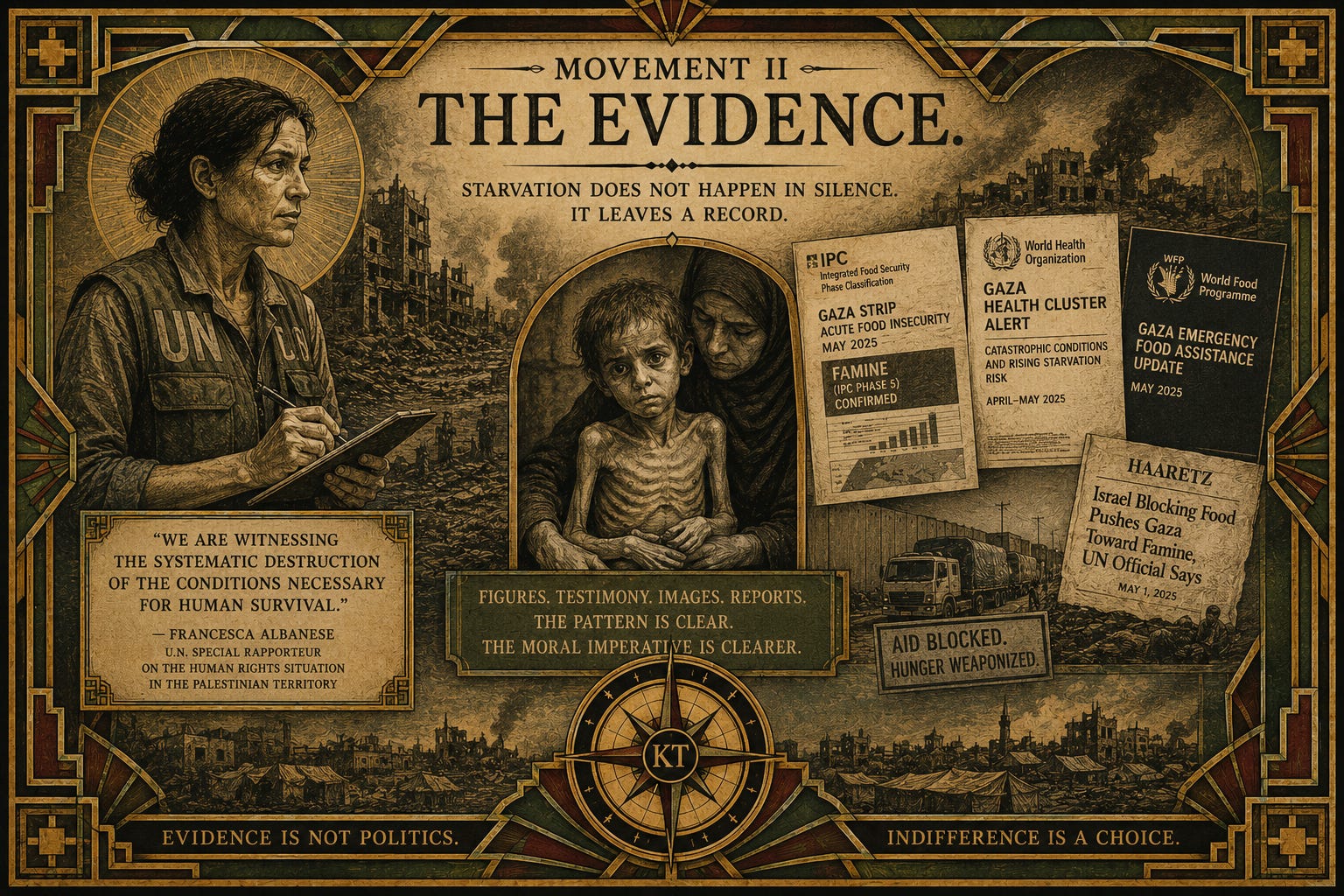
The Chorus Grows Louder
Anthony Aguilar’s testimony did not emerge in isolation.
Before he spoke, journalist Amy Goodman opened the broadcast with a sobering summary of the humanitarian crisis unfolding in Gaza.
She reported that the world’s leading hunger monitor had warned that the worst-case scenario of famine was now playing out.
She reported that the official death toll in Gaza had surpassed 60,000, while many observers believe the true number could be significantly higher.
She reported that children were dying from starvation.
Then something unexpected happened.
President Donald Trump publicly acknowledged seeing what he described as “real starvation.”
He said,
“We can save a lot of people. I mean, some of those kids... that’s real starvation stuff. I see it, and you can’t fake that.”
Those words mattered.
Not because they settled the debate.
But because they acknowledged what millions of people around the world had been seeing in photographs and videos.
Then came another voice.
More than twenty United States senators urged Secretary of State Marco Rubio to end funding for the Gaza Humanitarian Foundation and support the return of broader international humanitarian operations.
Senator Chris Van Hollen argued that American taxpayers should not continue funding a system that he said had become “a death trap.”
Now the questions were no longer coming from a single whistleblower.
They were being raised by journalists.
By humanitarian organizations.
By members of Congress.
By a retired Green Beret.
By the President himself.
These voices do not agree on every detail.
They do not share the same politics.
They do not tell the same story.
But together they raise questions that deserve careful, independent, and transparent investigation.
If credible allegations have been made, investigate them.
If evidence exists, preserve it.
If reports exist, release them.
If communications were recorded, preserve them.
If surveillance footage exists, make it available to independent investigators.
If drones monitored these operations, where is the footage?
If after-action reports were written, where are they?
If records exist, produce them.
If the allegations are false, let the evidence show it.
If they are true, then history will ask what we did after we knew.
Transparency is not the enemy of democracy.
It is one of democracy’s greatest strengths.
A democracy is not weakened by asking difficult questions.
It is weakened when it no longer wants the answers.
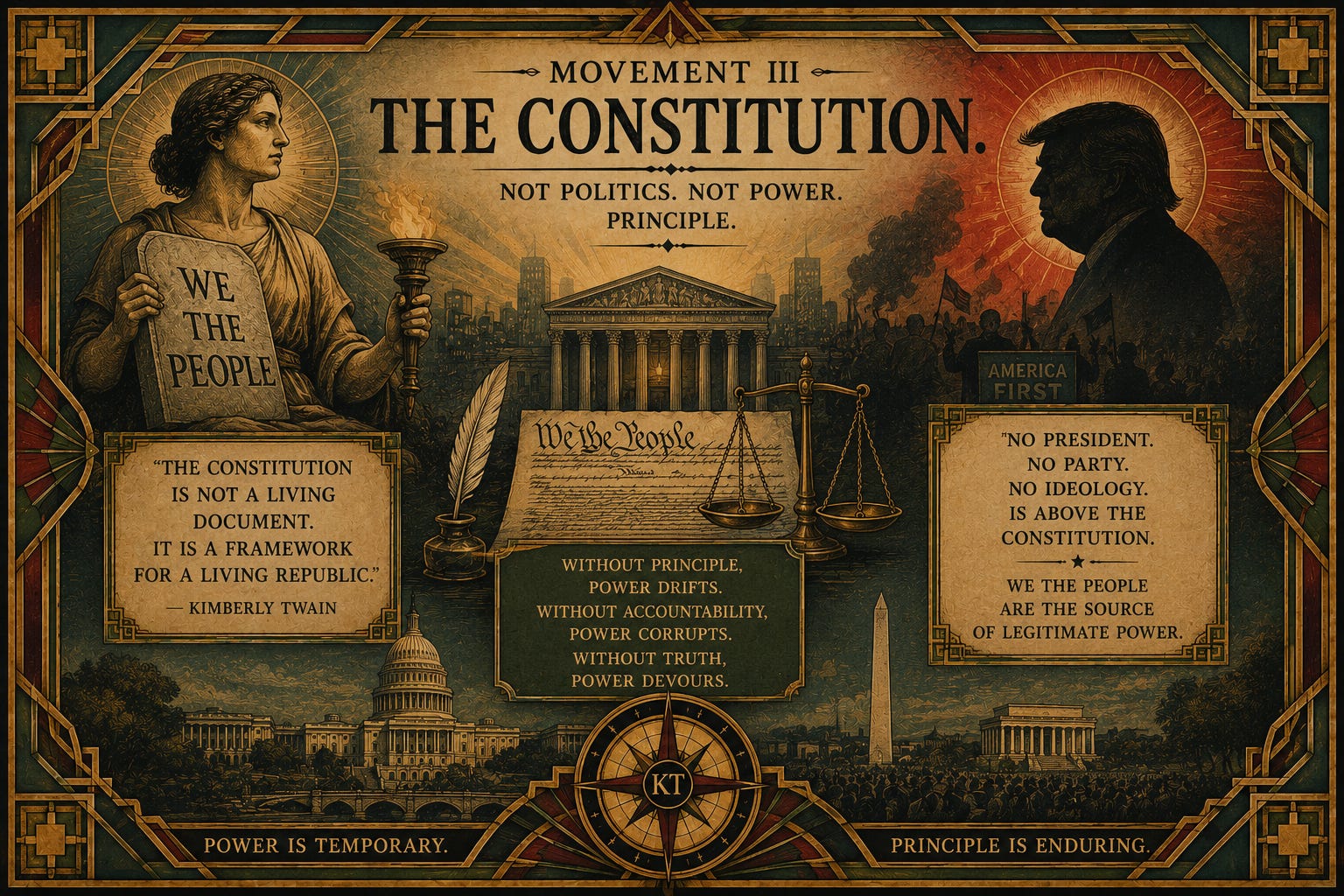
The Blueprint We Inherited
Watching the news is not the same as participating in a democracy.
Neither is arguing on social media.
Neither is choosing a side and refusing to listen.
A republic asks something more of us.
It asks us to remain curious.
To ask difficult questions.
To examine evidence.
To hold those entrusted with power accountable.
That is one of the quiet responsibilities of citizenship.
A republic depends upon informed citizens.
Not perfect citizens.
Curious citizens.
Compassionate citizens.
I believe those qualities are woven into the very DNA of our nation.
They are there in the Declaration of Independence.
They are there in the Constitution.
They are there in the Bill of Rights.
Not because those documents are perfect.
They are not.
They have been amended, interpreted, challenged, and expanded over time.
But together they remind us what this country aspires to be.
A nation where liberty belongs to everyone.
Where power is questioned.
Where citizens participate.
Where the people remain sovereign.
That is the blueprint we inherited.
Not perfection.
But a blueprint.
Every architect understands that a blueprint is only the beginning.
A set of drawings does not build a house.
People do.
The finest plans in the world are meaningless unless someone picks up the tools.
The Constitution is much the same.
It is not a monument to admire from a distance.
It is a living blueprint that asks each generation to continue the work.
That blueprint is not merely symbolic.
It is the document to which our public servants pledge themselves.
The President takes an oath to preserve, protect, and defend the Constitution of the United States.
Members of Congress swear to support and defend it.
Federal judges and the Justices of the Supreme Court swear to administer justice under it.
Every member of our armed forces takes an oath to support and defend it.
Every attorney admitted to the bar swears an oath to uphold the Constitution and the laws of our nation.
Different offices.
Different responsibilities.
The same enduring promise.
No one swears an oath to a political party.
No one swears an oath to an ideology.
No one swears an oath to a president.
The oath is to the Constitution.
That oath is more than ceremony.
It is a public promise that power will be exercised within the rule of law and in service to the people.
When we ask our leaders difficult questions, we are not asking them to betray their oath.
We are asking them to honor it.
The Constitution asks each generation to continue the work.
To preserve what is sound.
To repair what has weakened.
To strengthen what protects the people.
To widen the circle of liberty just a little farther than the generation before.
Democracy is not self-executing.
Justice is not self-maintaining.
Freedom is not self-renewing.
Like every great building, a republic requires inspection.
Maintenance.
Repair.
And sometimes renovation.
Neglect is also a decision.
History has shown us that rights are rarely lost all at once.
More often, they erode slowly.
One decision.
One precedent.
One exception.
One moment when citizens decide someone else’s rights are no longer their concern.
That is why citizenship matters.
Not because we can solve every problem.
Not because we will always agree.
But because democracy depends upon people who refuse to stop paying attention.
The price of looking away is rarely paid all at once.
It is paid gradually.
Until one day we discover that something precious has quietly disappeared.
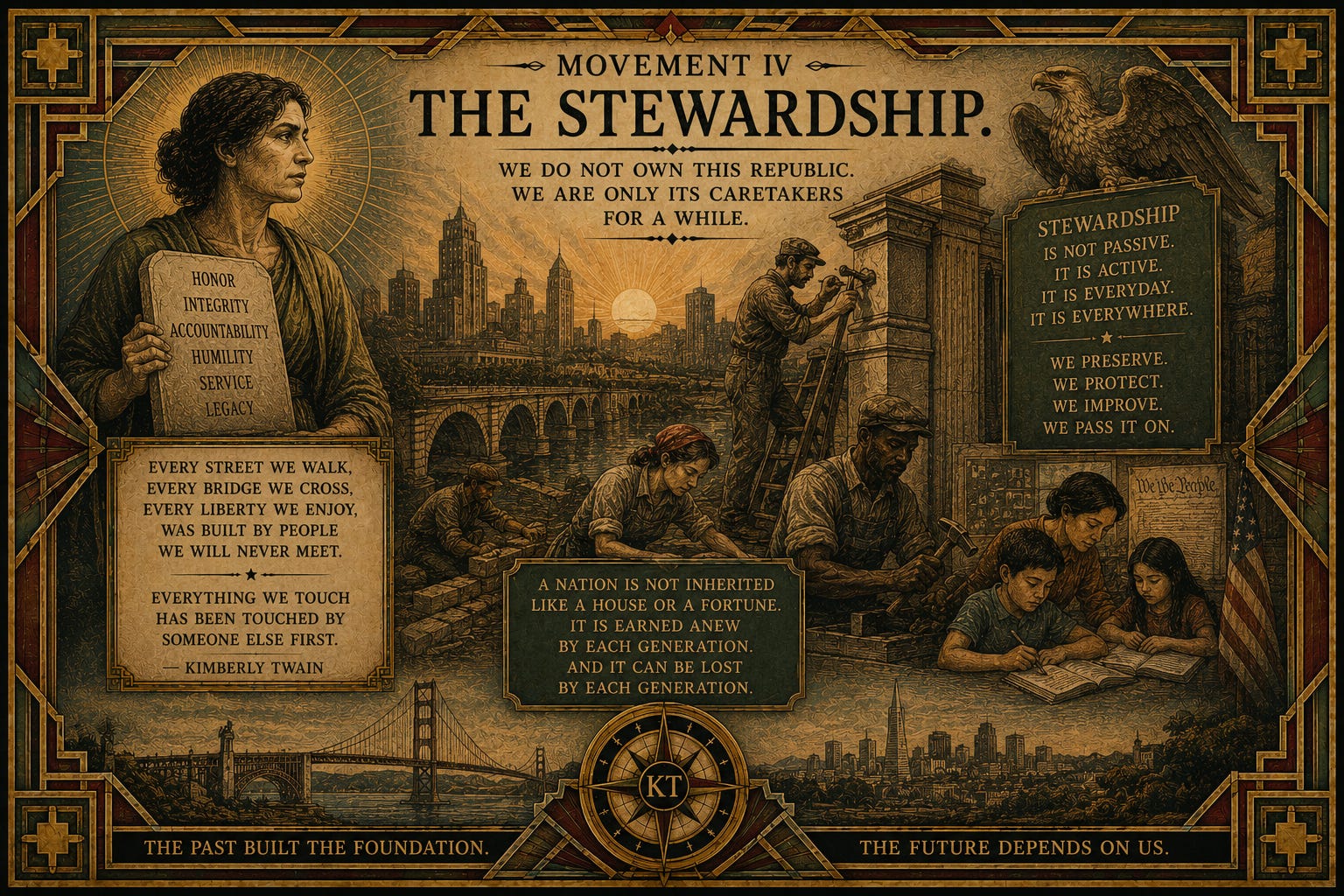
Think Globally. Act Locally.
There is an old saying:
Think globally. Act locally.
Perhaps we have spent so much time watching the world that we have forgotten we are part of it.
The problems before us can feel impossibly large.
Wars.
Poverty.
Climate change.
Political division.
Human suffering.
One person cannot solve them alone.
But every one of us participates in the systems that shape them.
Perhaps citizenship is not measured only by the votes we cast every few years.
Perhaps it is measured by the choices we make every day.
The things we choose to buy.
The companies we choose to support.
Knowing where the things we purchase are made.
Asking who made them.
How they were made.
Whether they were made fairly.
The food we choose not to waste.
The water we choose to conserve.
The energy we choose to save.
The things we repair instead of replace.
The things we recycle instead of throw away.
The conversations we are willing to have.
The questions we are willing to ask.
The children we choose to teach.
The elderly we choose to help.
The neighbors we choose to know.
The plants we choose to nurse.
The trees we choose to plant.
The gardens we cultivate, whether in our yards, on our balconies, or in a single pot on a windowsill.
These may seem like small things.
Perhaps they are.
But civilizations have always been built from ordinary acts repeated by ordinary people.
Every dollar we spend is a choice.
Every purchase casts a vote for the kind of world we are helping to build.
Every object has a story.
Every story begins somewhere.
In a factory.
On a farm.
In a forest.
In a mine.
On a ship.
Everything we touch has been touched by someone else first.
A cup.
A phone.
A loaf of bread.
A shirt.
A piece of lumber.
A book.
The question is whether we choose to notice.
Knowing that story is part of conscious citizenship.
Every meal is an opportunity not to waste.
Every gallon of water we conserve matters.
Every kilowatt of energy we save matters.
Every object repaired instead of discarded is a small act of stewardship.
Every seed planted is an investment in a future we may never see.
Every plant we nurse back to life is a quiet declaration that life itself is worth caring for.
We often imagine that change begins with presidents, courts, or Congress.
Sometimes it does.
More often, it begins with citizens.
Humanity is much like an organism.
No single cell keeps the body alive.
Each performs its small task.
Together they make life possible.
Perhaps societies work the same way.
Perhaps healing begins when enough ordinary people decide to live a little more consciously than they did yesterday.
Not because they are perfect.
But because they care.
Perhaps that is what citizenship has always been.
Thinking globally.
Acting locally.
Living consciously.
One conversation.
One decision.
One meal.
One vote.
One repaired object.
One child encouraged.
One plant carefully nursed back to life.
And then another.
And another.
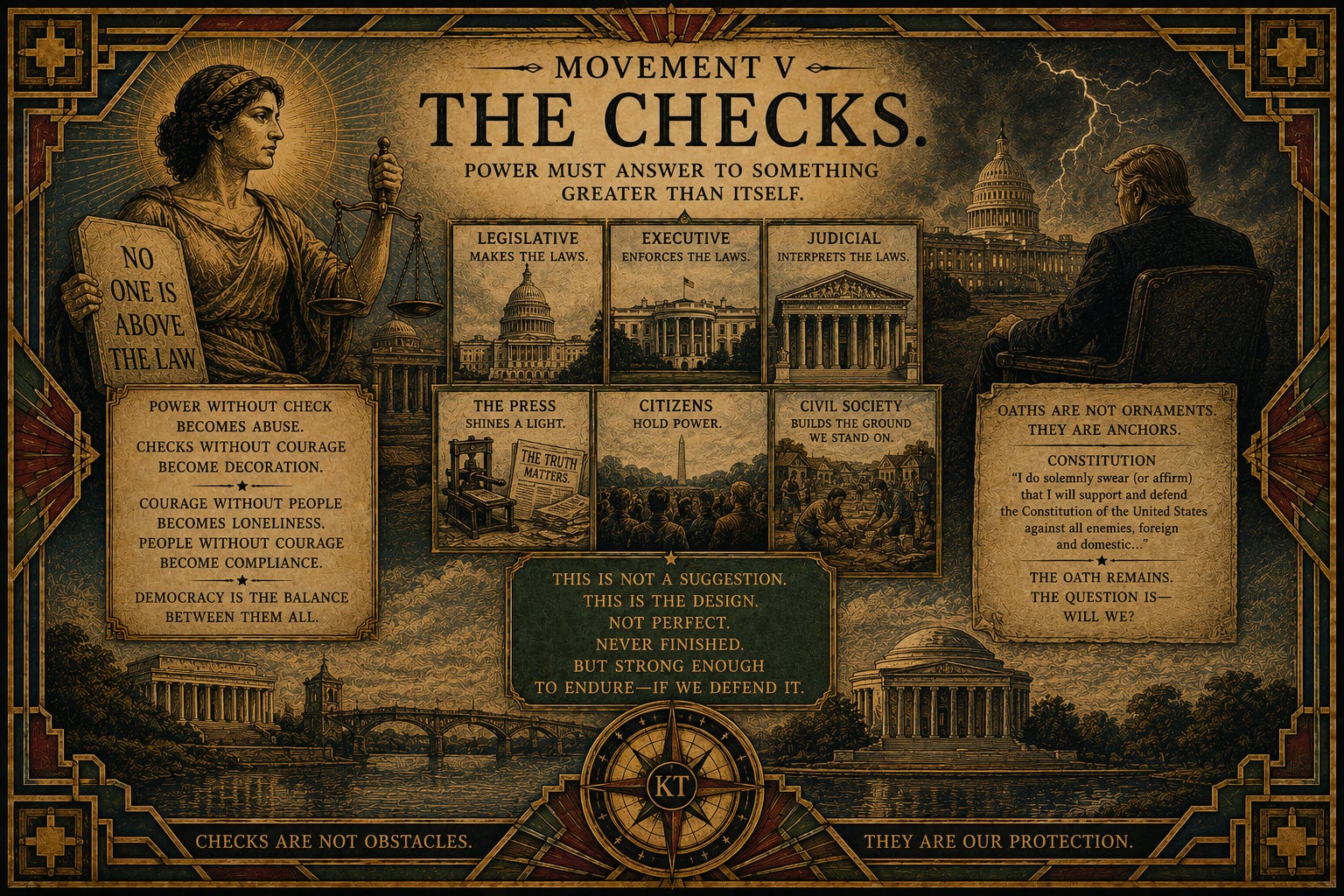
Mr. President
Mr. President,
You have now acknowledged seeing what you described as “real starvation.”
Those words matter.
Because before action comes recognition.
Before solutions come acknowledgment.
Before history changes direction, someone in power must first say,
“I see it.”
Now I ask you to do what your oath requires.
If innocent civilians are starving, help feed them.
If humanitarian workers are raising alarms, listen.
If whistleblowers come forward with credible allegations, investigate them.
If evidence exists, preserve it.
If reports exist, release them.
If communications were recorded, preserve them.
If surveillance footage exists, make it available for independent review.
Truth should never be afraid of evidence.
Leadership is not measured only by strength.
It is measured by the willingness to confront uncomfortable facts.
But this responsibility does not belong to the President alone.
It belongs to Congress.
It belongs to the courts.
It belongs to every public official who has sworn an oath to uphold the Constitution of the United States.
It belongs to every member of our armed forces who has sworn to support and defend that Constitution.
It belongs to the attorneys who stand before our courts, having sworn to uphold the Constitution and faithfully serve the cause of justice.
It belongs to the police officers who swear to uphold the Constitution as they protect the communities they serve.
Different offices.
Different professions.
Different responsibilities.
The same enduring promise.
No one swears an oath to a political party.
No one swears an oath to an ideology.
No one swears an oath to a president.
The oath is to the Constitution.
That oath is more than ceremony.
It is a public promise that power will be exercised within the rule of law and in service to the people.
Anthony Aguilar reminded us that an oath does not end when the uniform comes off.
Neither does our responsibility as citizens.
The Constitution is not simply a grant of power.
It is a restraint upon power.
It asks every generation of leaders to exercise authority with wisdom, humility, and accountability.
That is why the oath matters.
Not because it is spoken.
Because it is lived.
If our government is involved in actions carried out in our name, then our government also has an obligation to examine them honestly.
Not to protect reputations.
Not to protect political parties.
Not to protect ideologies.
To protect the truth.
To protect the Constitution.
To protect the people.
History rarely remembers whether leaders won the argument.
It remembers whether they met the moment.
Mr. President...
Members of Congress...
Justices of the Supreme Court...
The American people entrusted you with extraordinary power.
The Constitution tells us how that power must be exercised.
Use it.
Investigate.
Be transparent.
Follow the evidence wherever it leads.
Honor the oath you swore.
Because history is watching.
And somewhere tonight, a child is waiting for food instead of another speech.
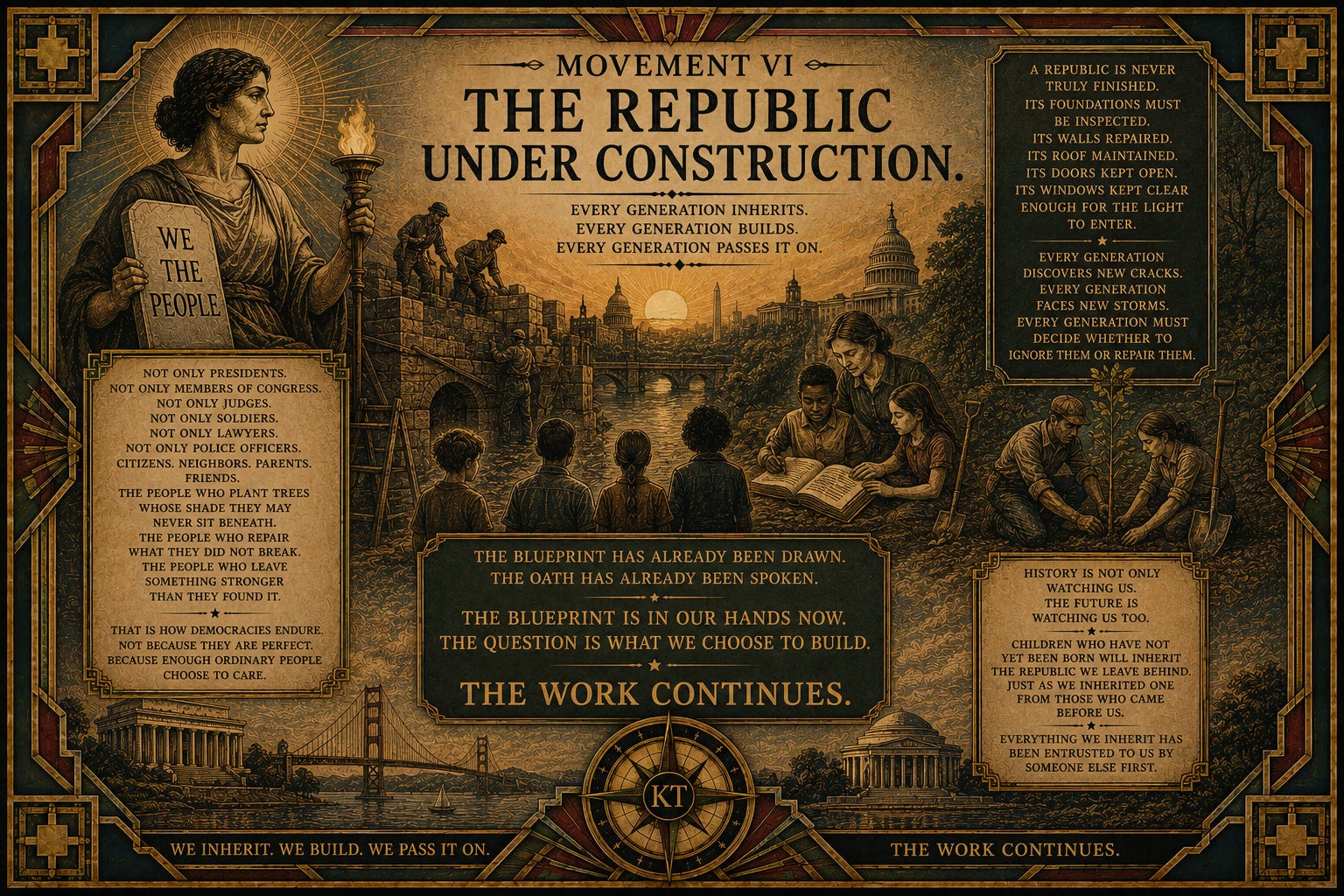
The Republic Under Construction
Every generation inherits a nation it did not build.
Every generation leaves behind a nation it will never fully see.
That is the quiet covenant of democracy.
We inherit.
We build.
We pass it on.
The Constitution was never meant to be admired from behind museum glass.
It was meant to be lived.
Questioned.
Defended.
Strengthened.
Like every great building, a republic is never truly finished.
Its foundations must be inspected.
Its walls repaired.
Its roof maintained.
Its doors kept open.
Its windows kept clear enough for the light to enter.
Every generation discovers new cracks.
Every generation faces new storms.
Every generation must decide whether to ignore them or repair them.
That work belongs to all of us.
Not only presidents.
Not only members of Congress.
Not only judges.
Not only soldiers.
Not only lawyers.
Not only police officers.
Citizens.
Neighbors.
Parents.
Friends.
The people who plant trees whose shade they may never sit beneath.
The people who repair what they did not break.
The people who leave something stronger than they found it.
That is how democracies endure.
Not because they are perfect.
Because enough ordinary people choose to care.
History is not only watching us.
The future is watching us too.
Children who have not yet been born will inherit the republic we leave behind.
Just as we inherited one from those who came before us.
The blueprint has already been drawn.
The oath has already been spoken.
Everything we inherit has been entrusted to us by someone else first.
The blueprint is in our hands now.
The question is what we choose to build.
The work continues.
A powerful statement
Thank you