

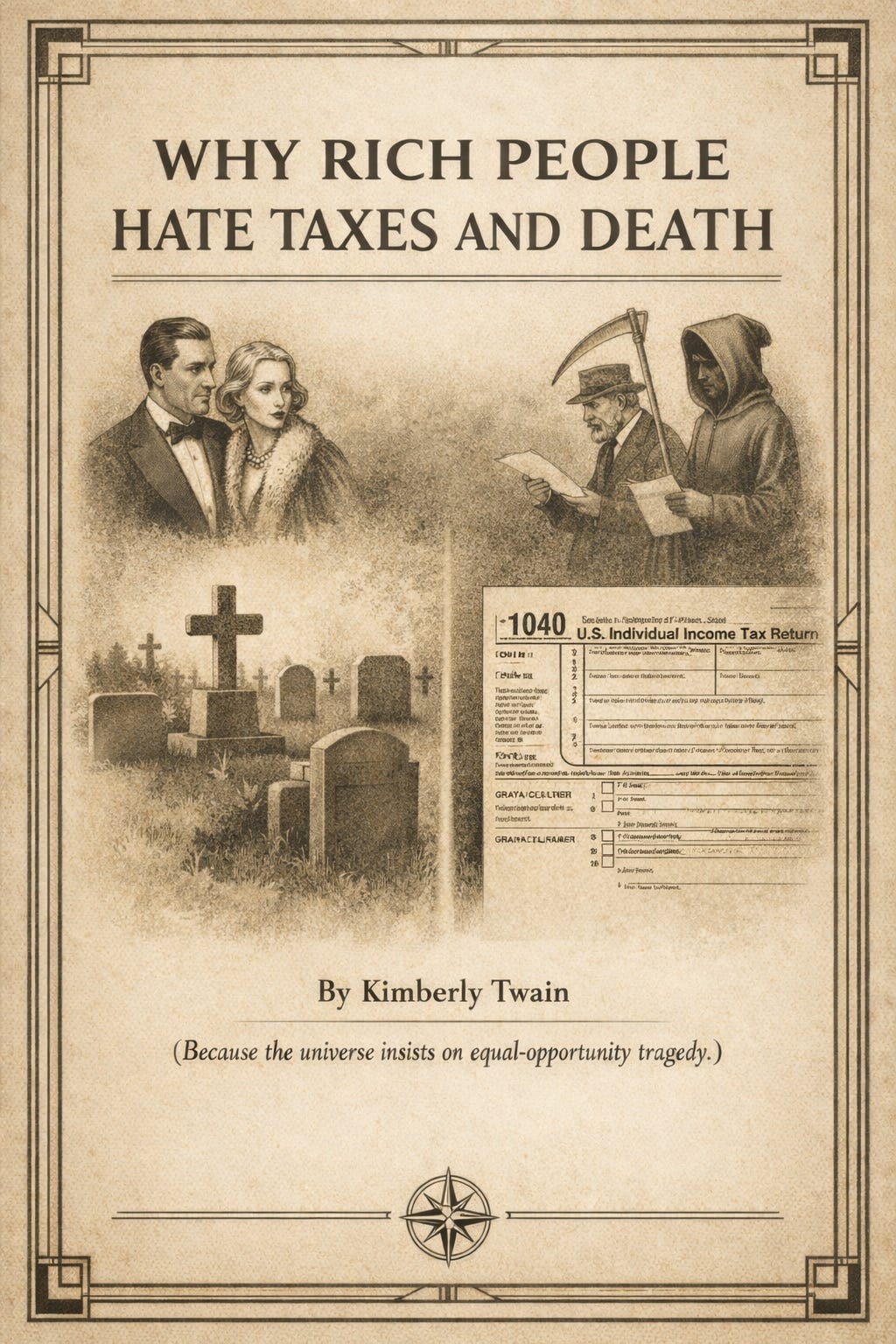
We tend to assume the ultra-wealthy hate taxes because they’re expensive.
We tend to assume they hate death because it’s fatal.
But neither assumption is correct.
Rich people hate taxes and death for the exact same reason:
both are forms of accountability from which no accountant, lawyer, or family office can fully shield them.
And nothing unsettles a billionaire more than being reminded that they, too, exist inside limits they did not design.
💸 I. Taxes: The First Great Insult
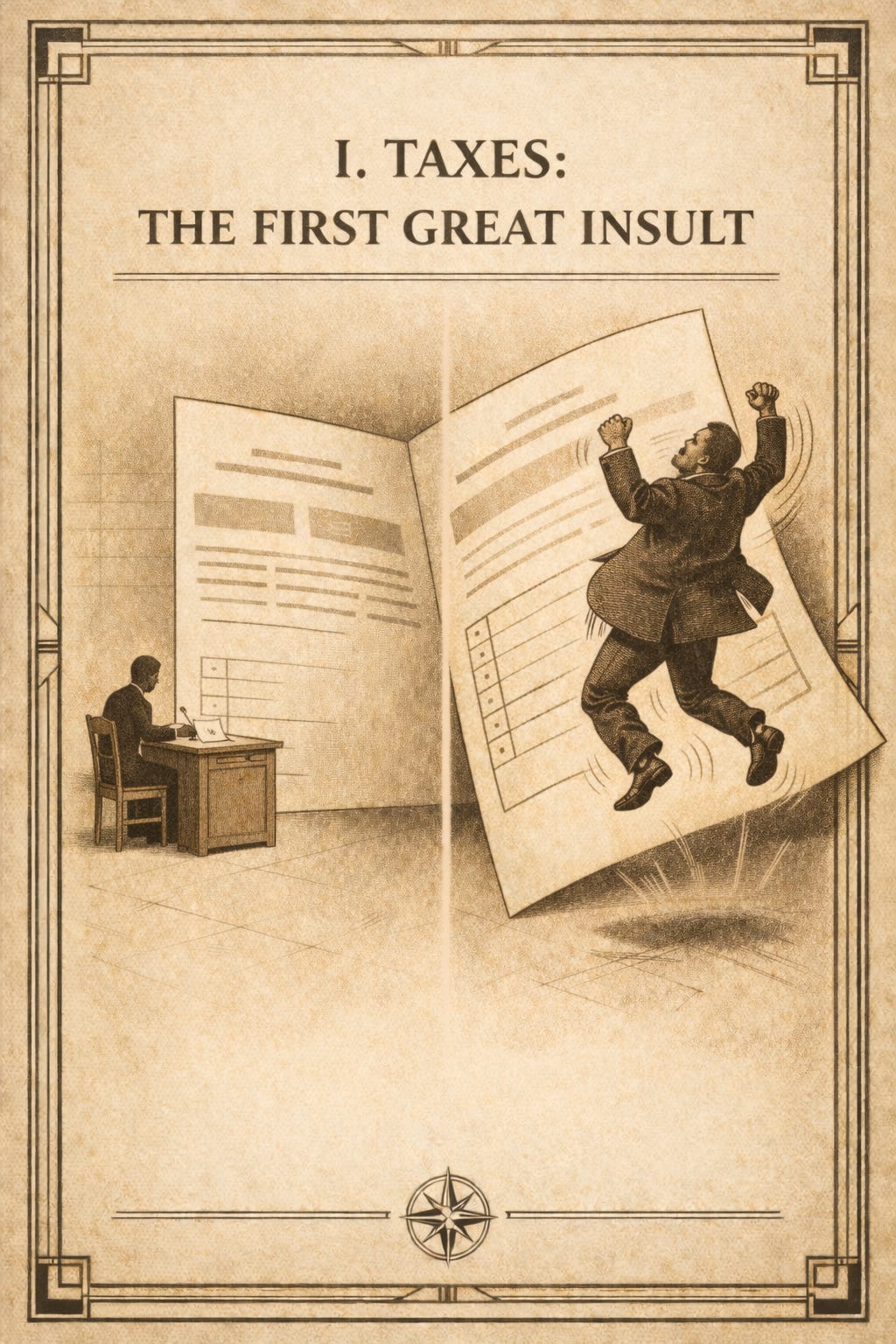
Let’s begin with the obvious one: taxation.
A billionaire does not experience a tax bill the way you or I do.
We think:
This is painful.
They think:
How dare you.
Taxes don’t threaten their lifestyle.
They threaten their status.
Taxation reduces the distance between the wealthy and everyone else, and that distance—more than yachts, jets, or private islands—is the real asset being protected.
When the IRS sends a letter, the billionaire hears a subtext:
You are part of society, not above it.
Which is, frankly, offensive.
This is why the wealthy construct elaborate systems of foundations, offshore entities, trusts, and philanthropic vehicles: not because they dislike giving, but because they insist on choosing how money flows.
Taxes are impersonal.
Philanthropy is curated.
One asserts equality.
The other preserves hierarchy.
🧊 II. Death: The Second (and Far Worse) Insult
If taxes are humiliation, death is the indignity.
Death does not care about:
market capitalization
real estate portfolios
how many zeroes follow your name
how many political candidates you funded
how many magazines declared you visionary
Death does not require a board vote.
And unlike taxes, death cannot be negotiated.
(Though billionaires, to their credit, try.)
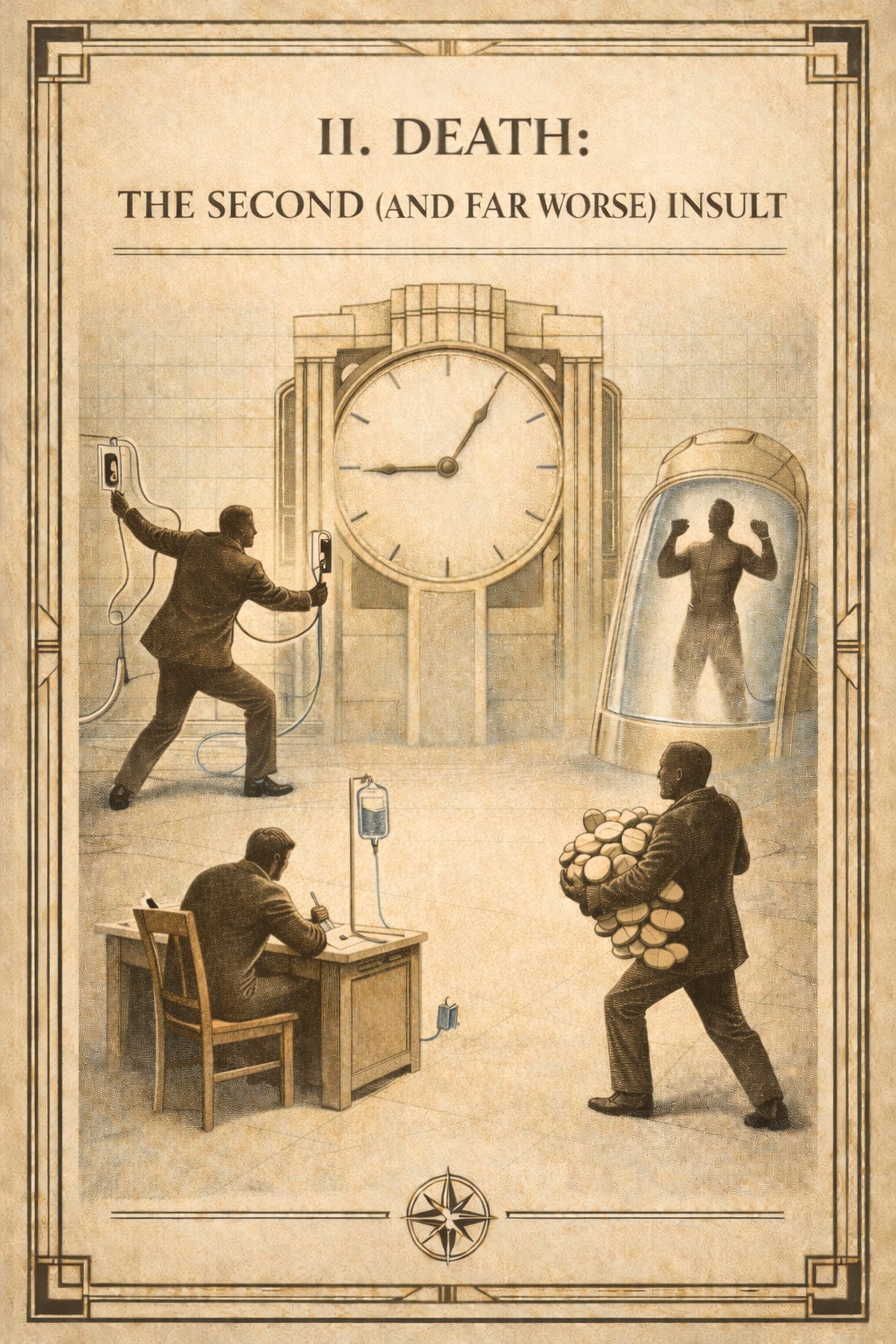
This explains the modern billionaire fascination with:
longevity clinics
cryogenic preservation
stem-cell therapies
hyperbaric oxygen chambers
transfusion experiments
supplements marketed by people who resemble aggressively moisturized almonds
When you have spent a lifetime bending reality to your will, the idea that this one outcome is non-optional becomes intolerable.
Death is the ultimate affront because it is the only event that cannot be outsourced.
🧠 III. The Psychology of Billionaire Fragility
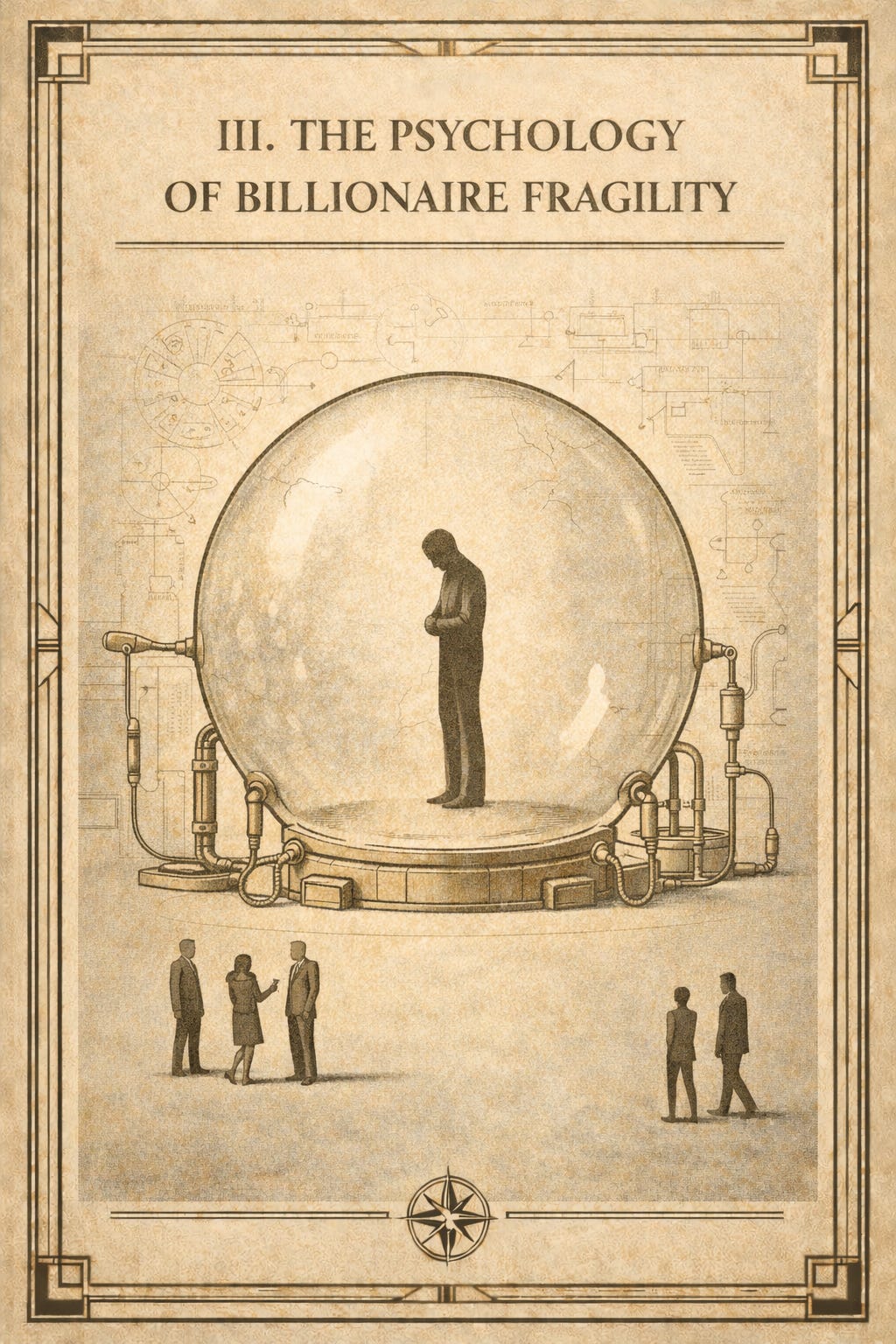
We often hear: the rich don’t fear losing money.
True.
What they fear is losing:
control
narrative authority
structural advantage
immunity from consequence
the illusion of exceptionalism
Taxes and death attack all five simultaneously.
Taxation says:
You are not the architect of society.
Death says:
You are not immortal.
To the ultra-wealthy, both messages feel vulgar.
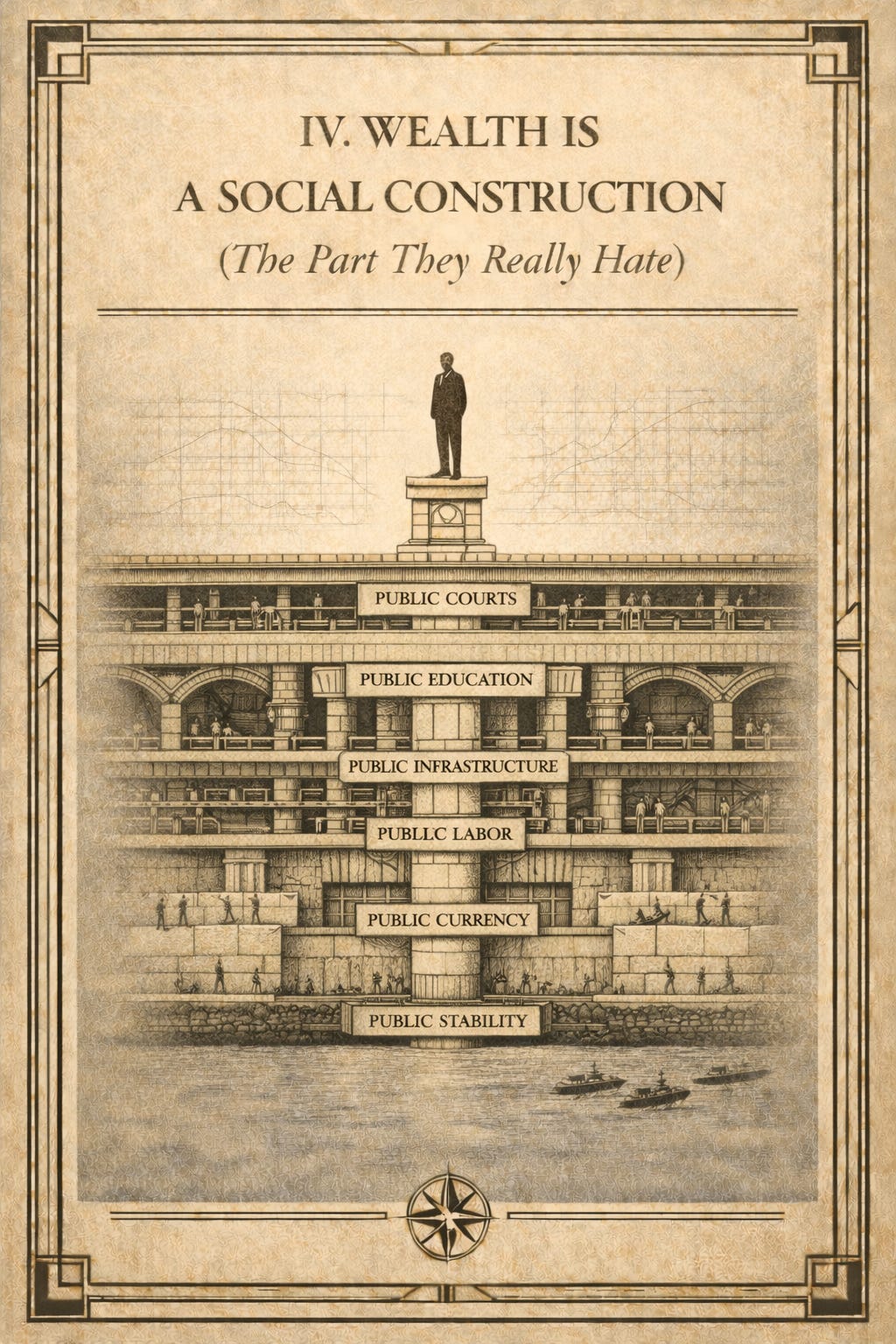
🏛️ IV. Wealth Is a Social Construction (The Part They Really Hate)
Here’s the part that keeps billionaires awake on their $40,000 mattresses:
Wealth is not personal genius.
Wealth is a collective achievement.
It depends on:
public courts
public education
public infrastructure
public labor
public currency
public stability
public militaries protecting global trade routes
Every billionaire stands on a public foundation, no matter how privately they imagine themselves.
So when society asks:
Could you contribute something back?
They hear:
We made you.
And respond:
No. I made me.
(The kale smoothies are merely optional.)
🥬 V. The First Irony
The wealthy spend extraordinary sums attempting to avoid the two things that define everyone else’s human experience:
Taxes — the price of living in a society.
Death — the price of being alive at all.
They delay the first with lawyers.
They delay the second with kale, transfusions, and freezers.
Both strategies fail.
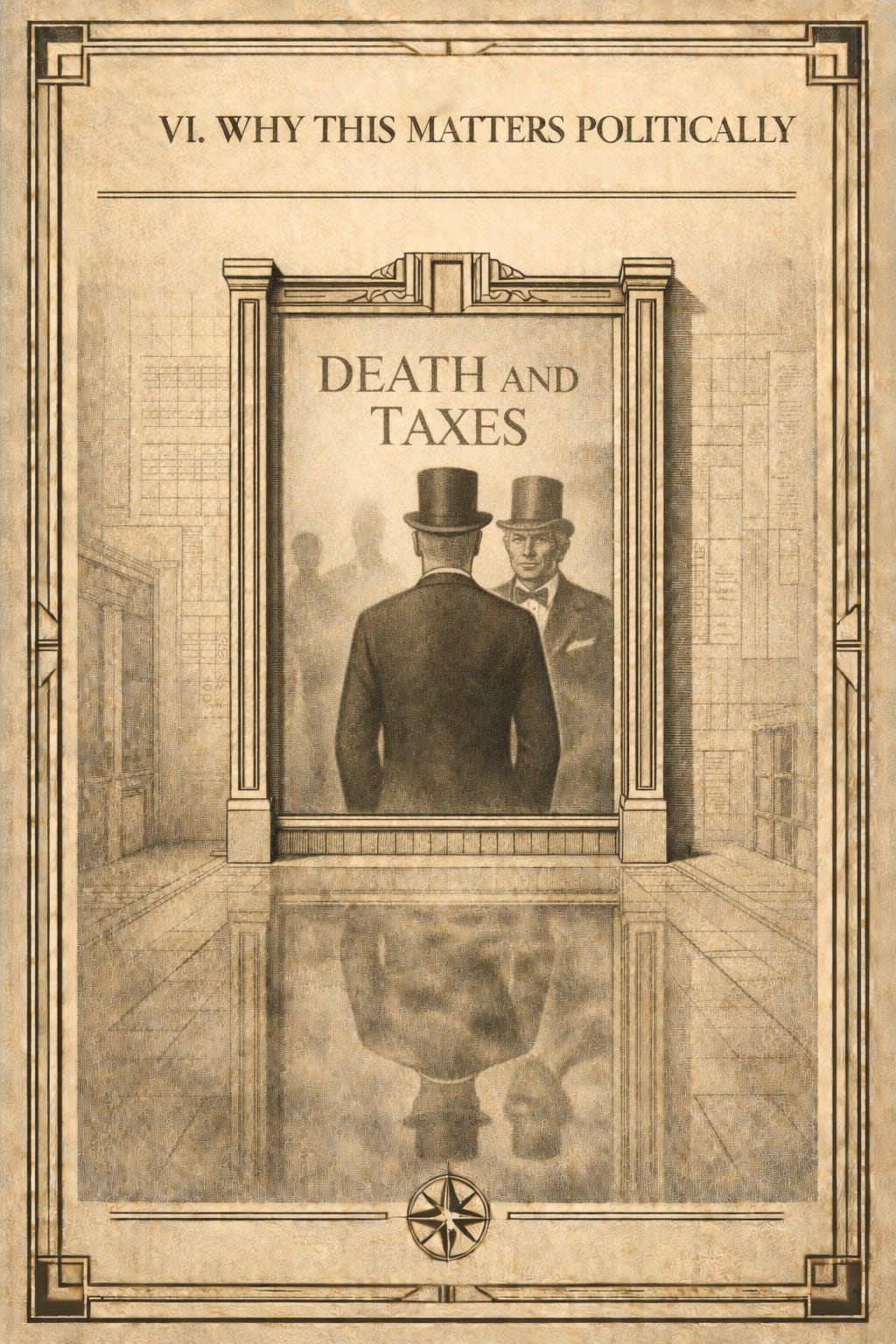
Death and taxes remain undefeated.
For everyone.
🪞VI. Why This Matters Politically
This tension isn’t abstract psychology.
It shapes every major political fight in America.
Once you understand that the wealthy fear loss of control more than loss of money, the modern tax debate becomes legible:
why estate taxes provoke hysteria
why loopholes survive bipartisan reform
why complexity is defended as “necessary”
why philanthropy substitutes for public obligation
why taxation is framed as oppression
Taxes and death are the only mirrors the wealthy cannot turn away from.
So they spend fortunes trying to fog the glass.
🏗️ VII. The Hidden Architecture of Power Avoidance
If the goal were revenue, the tax code would be simple.
It is not.
Instead, we built a fiscal system resembling a baroque cathedral with hidden staircases, confessionals, and private entrances reserved for those who can afford the tour guide.
Complexity is not a flaw.
Complexity is the feature.
It rewards those with access to:
family offices
elite accountants
lobbyists
estate planners
international legal structures
The system works exactly as designed.
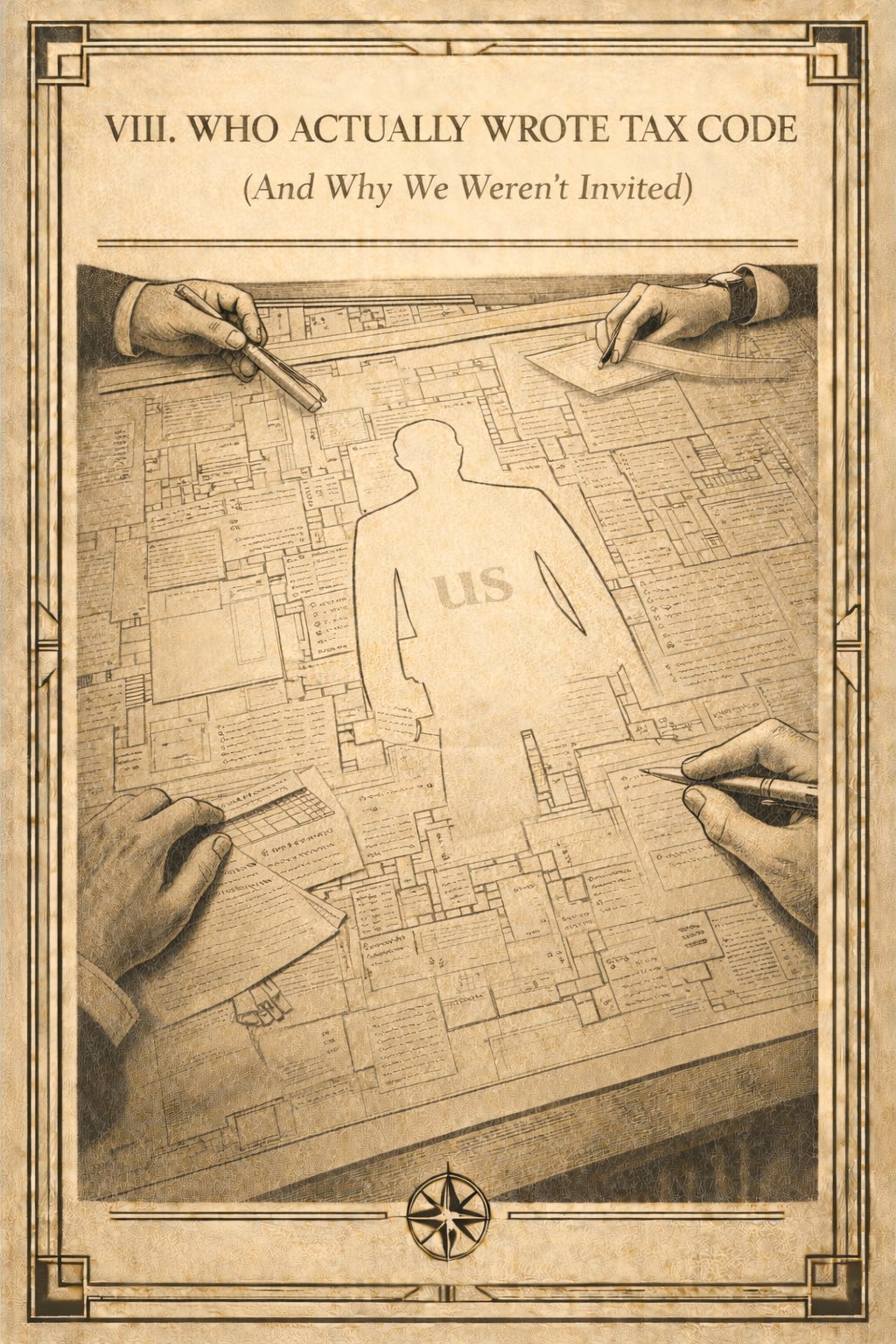
🏛️ VIII. Who Actually Wrote the Tax Code (And Why We Weren’t Invited)
Let’s dispel a comforting myth:
Congress did not write the tax code.
Congress held the pen.
The wealthy supplied the blueprint.
The code was shaped—line by line—by:
corporate lobbyists
Big Four accounting firms
estate attorneys
private equity lawyers
industry coalitions
billionaires’ personal financial architects
Every loophole has a parent.
Every deduction has a donor.
Every exemption has a beneficiary.
The tax code is not broken.
It is functioning exactly as intended.
Which is why it feels incomprehensible:
It was not written for you.
It was written around you.
You are the negative space.
⚖️ IX. Democracy vs. the Death-Defying Class
When wealth becomes allergic to taxation and terrified of mortality, democracy becomes collateral damage.
The ultra-rich begin to treat government as something to:
weaken
capture
minimize
outrun
They fund anti-tax movements, deregulation campaigns, and longevity fantasies—while insisting they are champions of freedom.
Freedom for whom?
Tax burdens drift downward.
Responsibility evaporates upward.
Inequality is not accidental.
It is engineered.
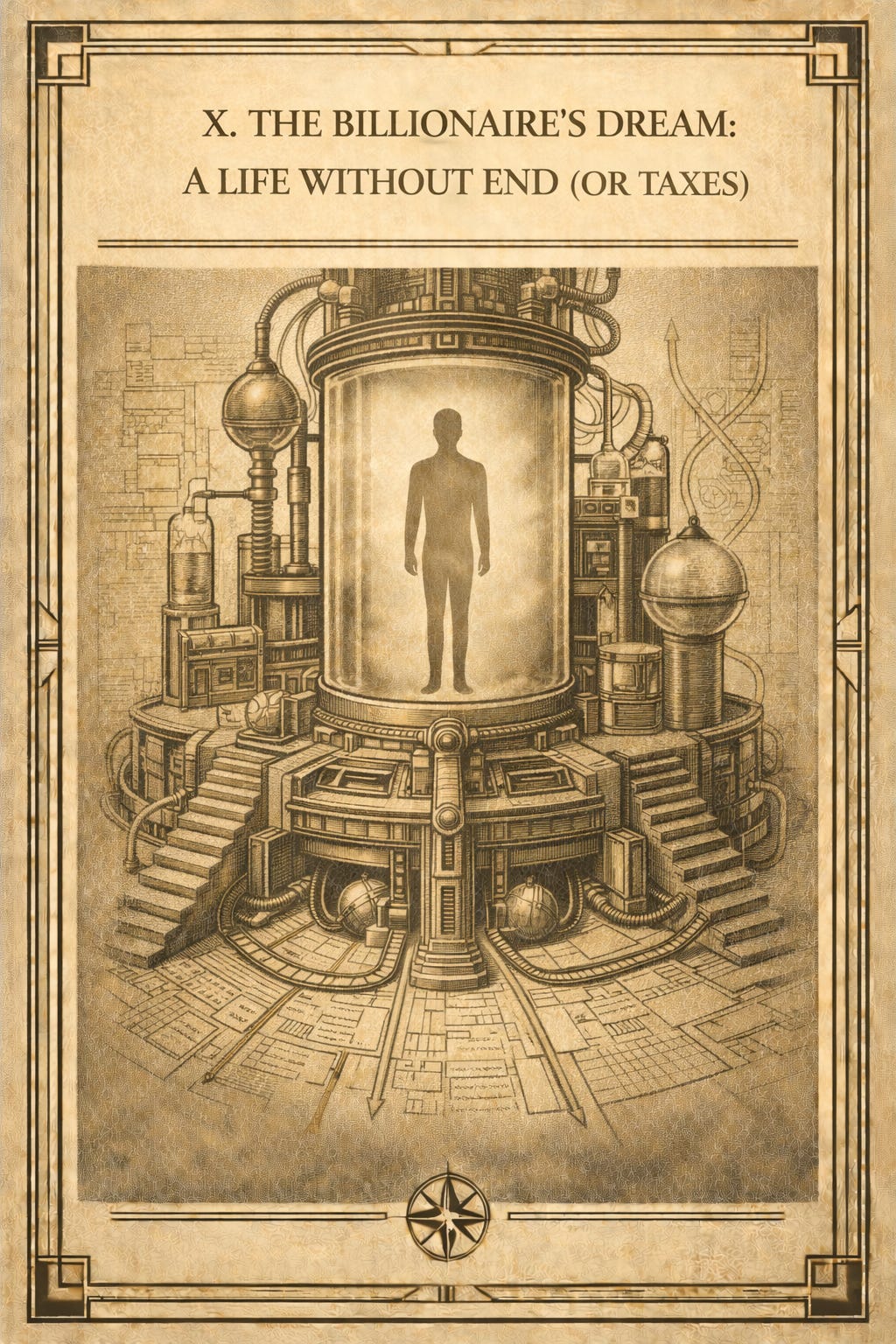
🧬 X. The Billionaire’s Dream: A Life Without End (or Taxes)
The modern billionaire increasingly resembles a medieval alchemist in athleisure.
They pursue:
eternal life
divine exemption
permanent legacy
immunity from earthly consequence
You and I will die.
They intend to transition.
You and I pay taxes.
They optimize.
We call this delusion.
They call it a strategy meeting.
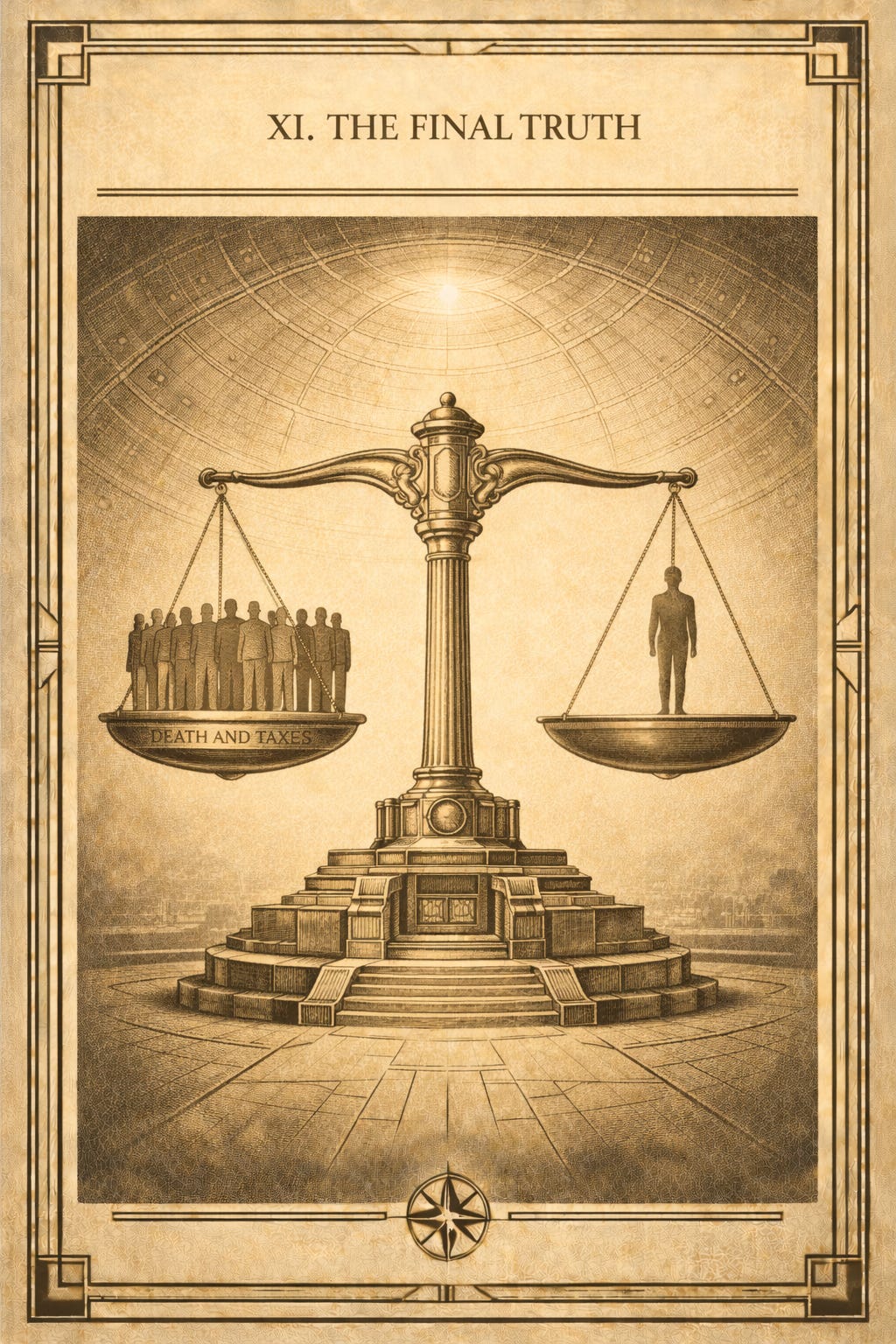
🌒 XI. The Final Truth
Everything reduces to this:
The wealthy do not fear taxes because they cannot afford them.
They fear taxes because they cannot command them.
They do not fear death because it ends life.
They fear death because it ends control.
Taxes remind them they owe something to the society that made their wealth possible.
Death reminds them they owe something to the universe that made their life possible.
And no amount of money can purchase exemption from either.
Which is why the richest people on earth spend their lives trying anyway.
Love it!
“You are the negative space.”